Understanding how to measure waist for pants is essential for comfort and fit. Ill-fitting pants cause discomfort. They may pinch, gap, or slide down. This affects confidence and daily ease. Accurate measurements prevent these issues.
Many people guess their size. They rely on past purchases or brand labels. However, sizing varies across brands. One company’s size 8 may differ from another’s. This inconsistency makes guessing risky. Learning how to measure waist for pants removes doubt. It gives reliable data every time.
 Why Accurate Waist Measurement Is Important
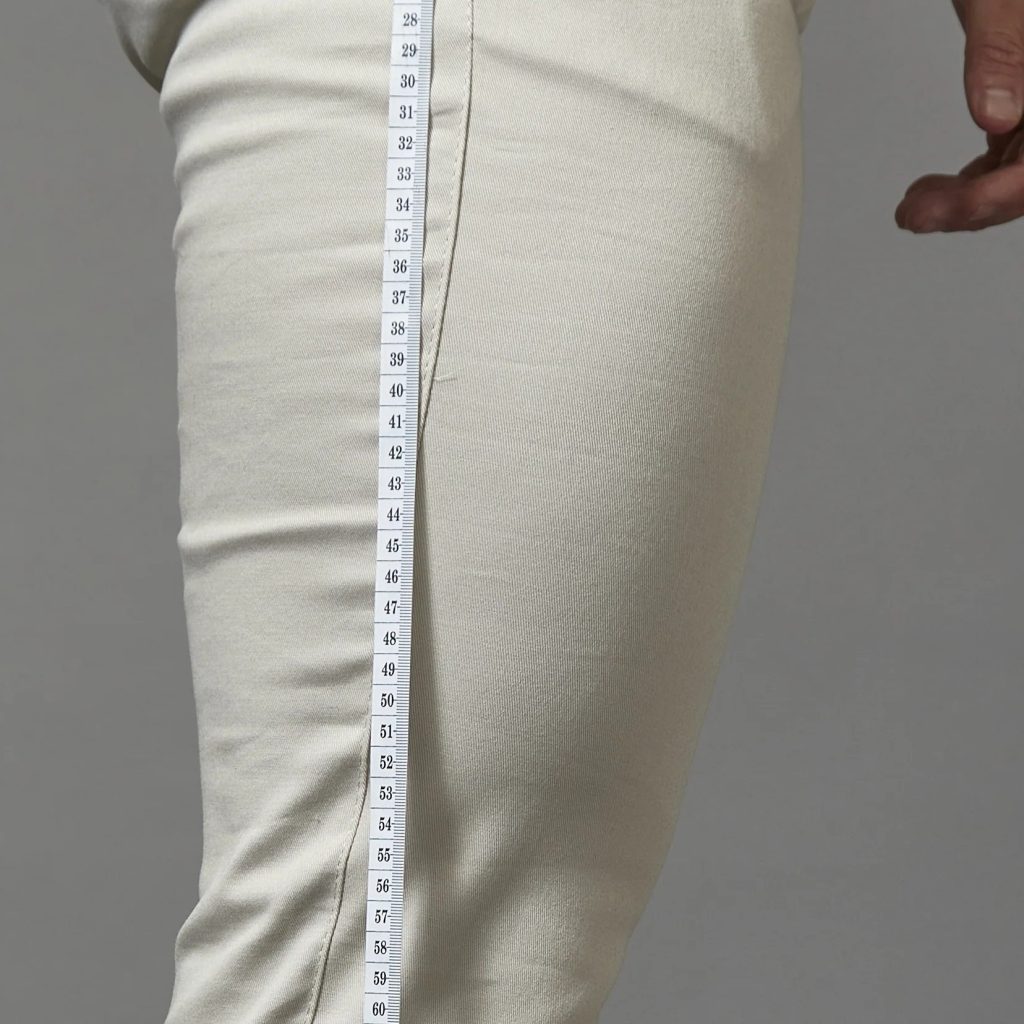
Accurate waist measurement ensures a comfortable and well-fitting pair of pants. Ill-fitting pants can cause discomfort throughout the day. Proper measurement avoids the hassle of constant adjustments and poor overall appearance.
Correct waist sizing minimizes the chance of pants being too loose or tight. This is especially important when buying online, where trying on isn’t possible. Knowing your exact measurement can save time and stress.
Accurate waist measurements also affect your overall style. Pants with a proper fit enhance your body shape and confidence. A well-measured waist helps achieve a polished, professional look.
Additionally, waist sizes vary by brand. Precise measurements help in comparing size charts effectively. This matters when choosing pants from different labels or regions. Reliable measurements reduce returns and exchanges, saving money and effort.
For those tracking body changes, accurate waist measurement is key. It helps monitor weight and health. Fitness goals often focus on waist size as an indicator. Regular and proper measuring makes your progress clear.
In conclusion, taking the time to measure your waist carefully is crucial. It sets the foundation for comfort, style, and practicality in pant selection.
Tools You Need to Measure Your Waist
Having the right tools makes waist measurement easy and accurate. Using improper tools can lead to errors.
Measuring Tape
A flexible measuring tape is essential. Choose one made from soft fabric or plastic. It should easily wrap around your waist without stretching or slipping. Avoid rigid tapes that don’t conform to your body.
Mirror
Stand near a full-length mirror when measuring. It ensures correct placement of the tape. The mirror helps you confirm the tape is level and straight around your waist.
Marker or Pen
A pen or marker can mark your starting point on the tape. This helps track the exact distance measured. If measuring yourself, it can prevent errors caused by overlapping.
Flat Surface
Using a flat surface to write down your measurements ensures clarity and avoids confusion. Make sure you note sizes accurately after measuring.
With these tools, measuring your waist for pants becomes straightforward. Accurate tools lead to better-fitting pants and fewer sizing issues.
 Step-by-Step Guide to Measuring Your Waist for Pants
Follow these steps for an accurate waist measurement. Precise sizing ensures the best fit for your pants.
Step 1: Gather Your Tools
Ensure you have a flexible measuring tape, mirror, and flat surface. These tools are essential for accurate measurement. Prepare a pen or marker to note the results.
Step 2: Find Your Natural Waist
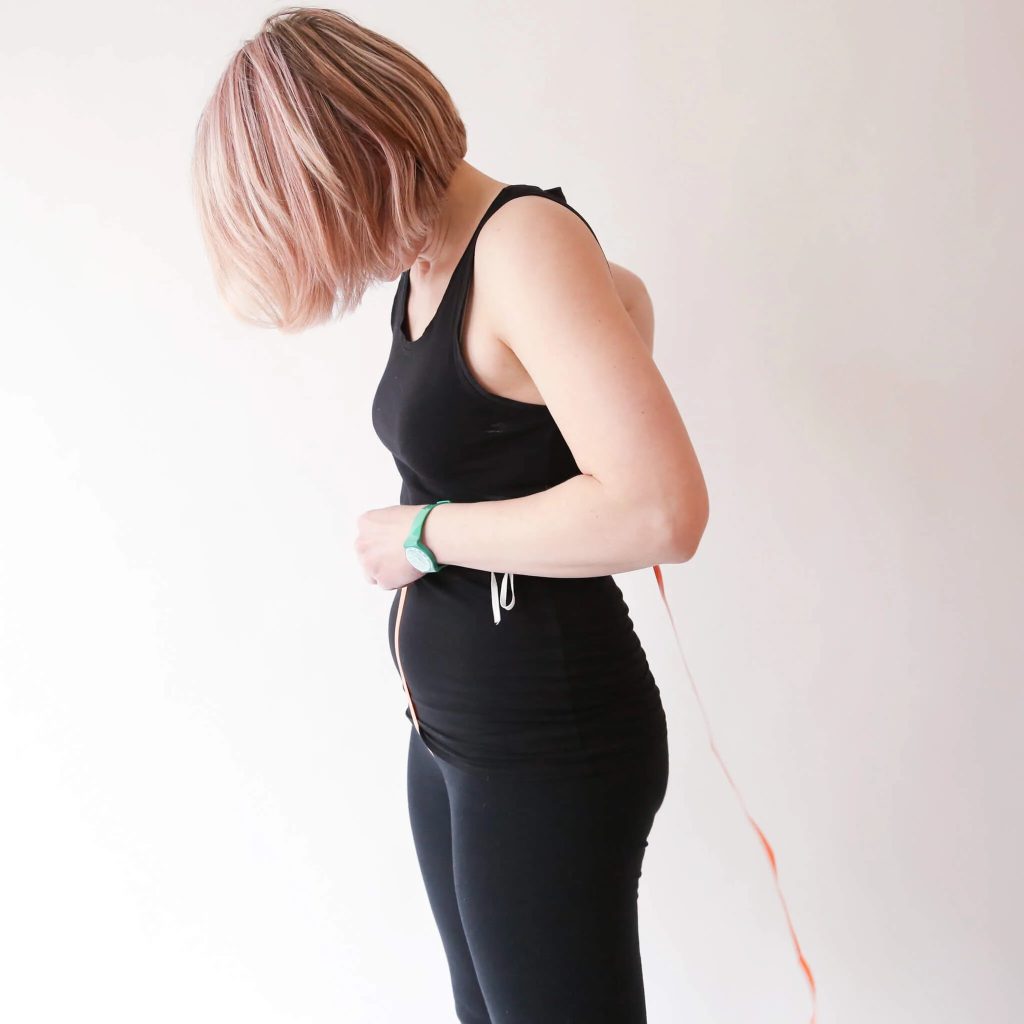
Stand upright and locate your natural waist. It’s the narrowest area of your torso, typically above your belly button and below your ribcage. Avoid measuring too low or high on your midsection.
Step 3: Prepare Your Body
Remove bulky clothing and keep your posture straight. Maintain normal breathing without sucking in your belly, as this may lead to inaccurate readings.
Step 4: Position the Measuring Tape
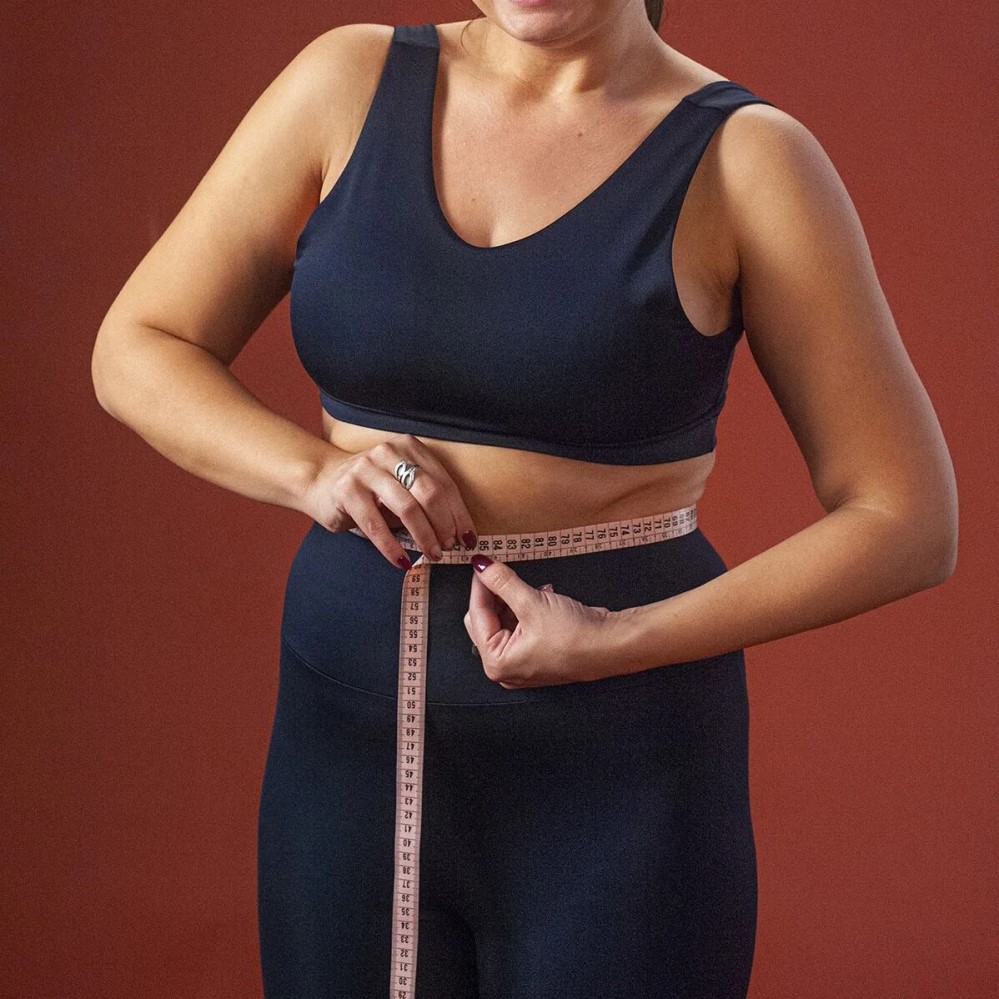
Wrap the tape snugly around your natural waist. Make sure it remains close to your skin but not tight. Check the mirror to confirm the tape is level and not twisted. Cross-check placement during measuring.
Step 5: Record Your Measurement
Look where the tape overlaps and note the number. Ensure it’s in inches or centimeters, depending on your preference. Double-check for accuracy before jotting it down.
Step 6: Repeat for Precision
Measure your waist twice to verify consistency. If there are discrepancies, try again and ensure proper tape placement. This minimizes the risk of errors.
By following these steps, you can measure your waist effectively. Precise waist measurements simplify the process of finding pants that fit well and enhance your style.
Common Mistakes to Avoid When Measuring Your Waist
Measuring your waist might seem simple, but mistakes can lead to inaccurate results. Avoiding these errors ensures pants that fit perfectly and look great. Here are common mistakes to watch out for:
Using the Wrong Tools
Don’t use rigid rulers or metal tapes. They can’t wrap around your body evenly. Always choose a flexible measuring tape designed for clothing measurements.
Measuring Too High or Low
Ensure you measure at your natural waist, not at your hips or above your ribs. Your natural waist is the narrowest part of your torso, typically located above your belly button.
Pulling the Tape Too Tight
Overly tight tape can give smaller measurements than reality. Your pants may become uncomfortable if they are based on incorrect sizing. Wrap the tape snugly but avoid squeezing your skin.
Measuring Over Clothes
Bulky or layered clothing can distort your measurements. Always measure directly on your skin or over thin, snug cloth.
Not Keeping the Tape Level
An uneven tape placement around your waist can result in wrong measurements. Use a mirror to ensure the tape stays level and straight.
Holding Your Breath or Sucking In Your Stomach
Relax and breathe normally during measurement. Sucking in your stomach leads to incorrect results and ill-fitting pants.
Failing to Double-Check
One quick measure might not be accurate. Always repeat the measurement and compare the values. Consistent results confirm precision.
Ignoring Measurement Units
Inaccurate conversions between inches and centimeters can confuse sizing. Stick to a single unit for clarity.
Avoid these common mistakes to measure your waist accurately. This ensures a better fit, fewer returns, and improved overall comfort.
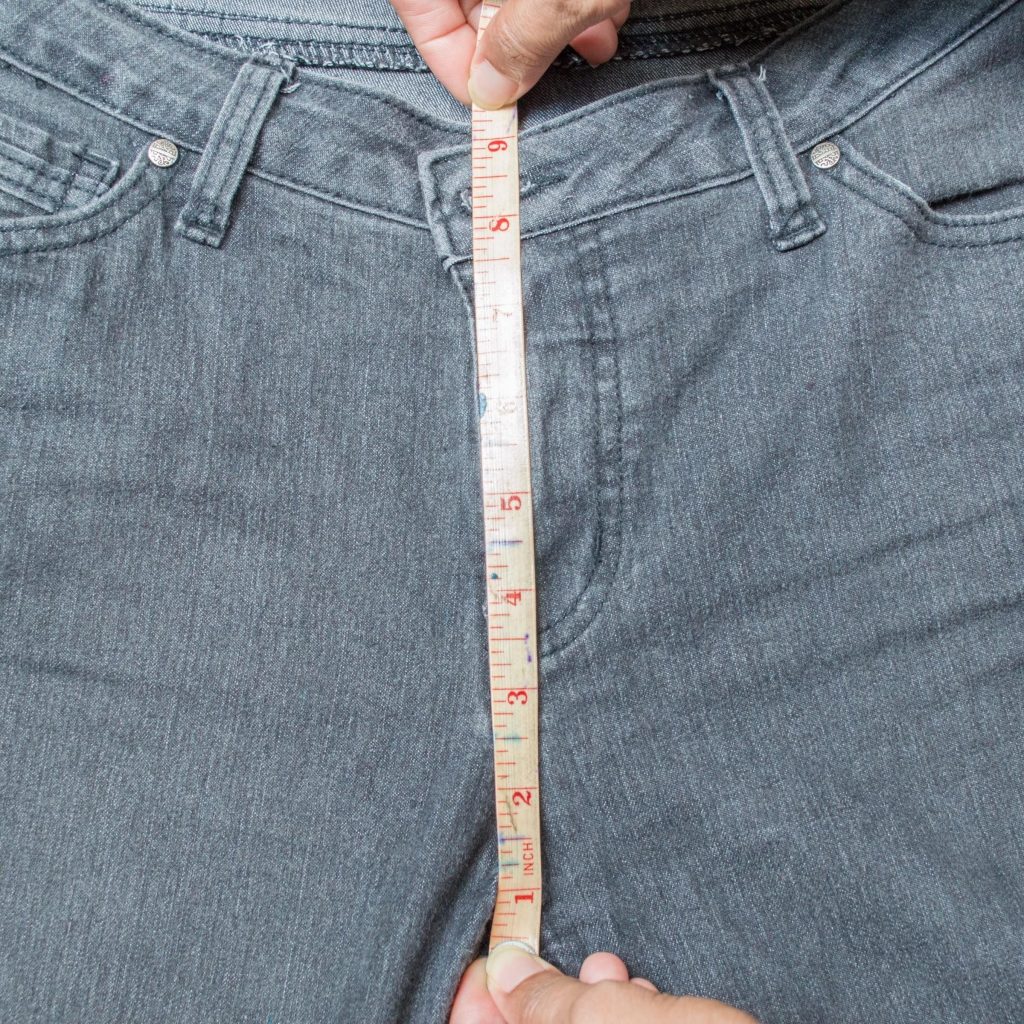 How to Choose the Right Pant Size Using Your Waist Measurement
Using your waist measurement wisely helps you find the perfect pant size. It ensures comfort and great style. Here’s how you can use your measurement effectively:
1. Compare with Size Charts
Check the brand’s size chart before buying pants. Match your waist measurement with the chart provided. Different brands have unique sizing standards.
2. Understand Fit and Style Preferences
Decide if you want a slim, regular, or relaxed fit. Your waist measurement remains constant, but the fit can vary based on style.
3. Consider Stretchable Fabrics
If the pants are made of stretchable material, factor this into your decision. Stretch fabric may fit slightly tighter at first.
4. Review International Sizing Conversions
Know the equivalent sizing if shopping for international brands. For example, US, EU, and UK sizes differ.
5. Account for Shrinkage
For cotton or denim pants, check if they shrink after washing. This may require adjusting the size choice.
6. Look into Mid-Rise and High-Rise Options
The rise of pants affects waist placement. Mid-rise sits at the natural waist, while high-rise sits higher.
By following these tips, you can choose pants that fit well and look great. Accurate waist measurement serves as a reliable guide for your decisions.
Differences in Waist Measurement Standards Across Brands
Understanding waist measurement standards across brands is crucial for choosing the right pants size. Different brands often have unique sizing methods, which can make shopping tricky. Here’s what you need to know:
Variation in Measurement Guidelines
Brands may define the waist differently. Some focus on the natural waist, while others measure closer to the hips. Always check each brand’s specific instructions for waist measurement.
Regional Sizing Differences
Sizing standards vary between countries. For instance, American, European, and Asian brands often use different charts. Pay attention when buying pants internationally to ensure proper fit.
Vanity Sizing Practices
Certain brands use vanity sizing, labeling pants smaller than they truly are. This makes customers feel slimmer but can lead to incorrect purchases. Verify the measurements instead of blindly trusting the size tag.
Stretch vs. Non-Stretch Fabrics
Stretchable pants might have a different fit compared to rigid fabrics. Some brands adjust their sizing based on the material used. It’s important to consider fabric type along with waist size.
Inconsistent Standards Within Brands
Even within the same brand, different collections or styles can have unique sizing rules. Check size charts for specific lines and styles to avoid confusion.
Importance of Reference Charts
Always compare your waist measurement with the brand’s official size chart. These charts provide the most reliable sizing information. Look for detailed conversion guides if the pants are from foreign labels.
Knowing these differences helps you navigate varying waist measurement standards. It reduces returns and ensures a better fit across brands.
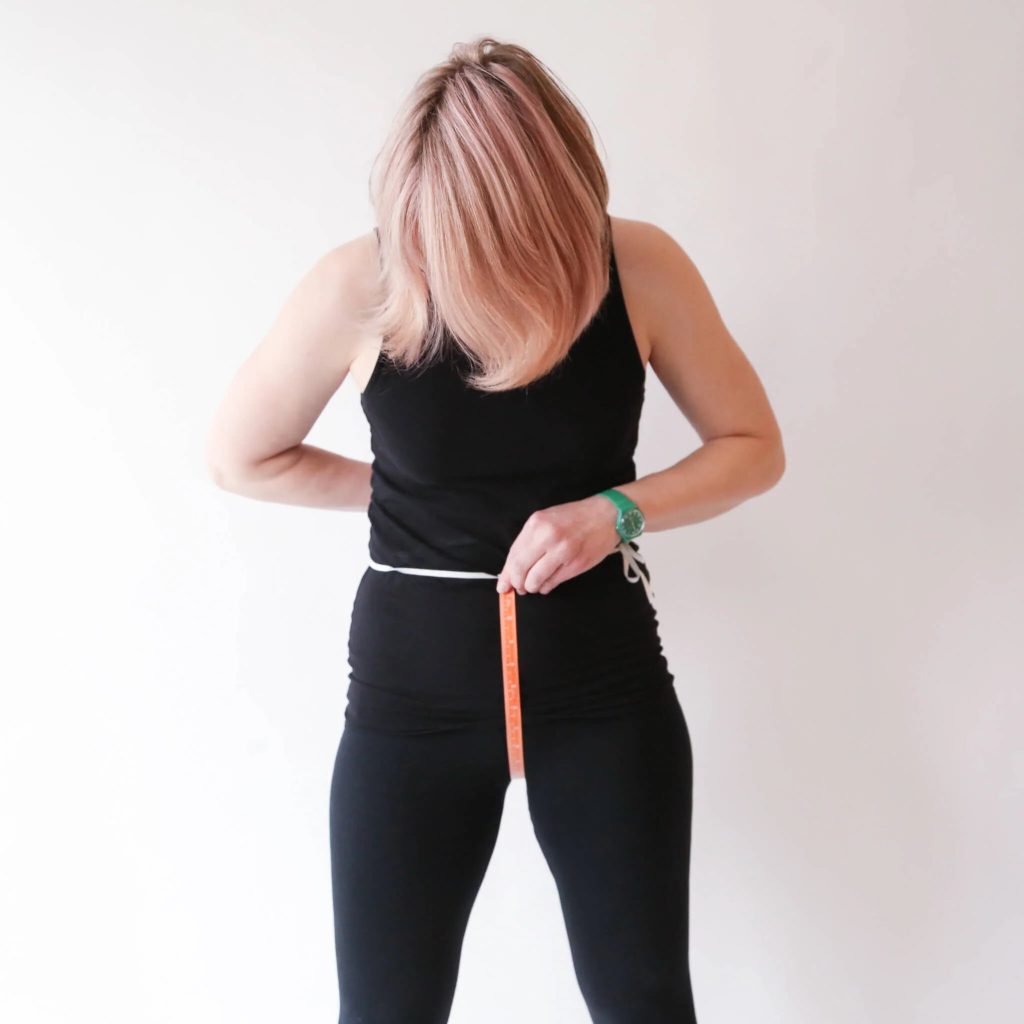 Tips for Taking Waist Measurements Yourself vs. Having Help
Measuring your waist accurately can be done solo or with assistance. Both methods have advantages and challenges. Consider these tips for improving your approach based on the method you choose.
Measuring Yourself
- Use a Mirror: A mirror helps you align the tape properly and keeps it level.
- Mark Your Starting Point: Use a pen to mark where the tape begins. This avoids overlap errors.
- Check Tape Placement: Ensure the tape is snug but not tight. Avoid twisting or pinching the tape.
- Stand Upright: Maintain good posture while measuring. Don’t slouch or lean.
- Double-Check Results: Repeat the measurement to confirm accuracy.
Measuring With Help
- Communicate Clearly: Tell your helper to place the tape at your natural waist.
- Stand Still: Avoid moving as the helper measures, ensuring an accurate reading.
- Use a Mirror for Confirmation: Both you and your helper can check tape placement with a mirror.
- Verify Results: Ask the helper to measure once more for consistency.
Key Considerations
- Confidence Level: If you feel unsure about doing it yourself, ask someone you trust.
- Convenience: Solo measuring saves time if no one is available to help.
- Accuracy: A helper may catch issues you might overlook on your own.
Choose the method that suits your comfort and ensures precision. No matter the approach, accuracy is key for finding perfectly fitting pants.
When to Re-Measure Your Waist for Accurate Sizing
Re-measuring your waist is important to maintain accurate and up-to-date sizing. Over time, your body changes due to various factors. Here are specific situations when you should re-measure your waist:
Significant Weight Changes
If you’ve gained or lost weight recently, your waist size may have changed. Regularly re-measuring ensures the right fit for your pants.
Fitness Routine Adjustments
Starting or changing your workout routine can impact your waist size. Re-measure to track these changes.
After Pregnancy
Your body shape and waist size often shift after pregnancy. Measuring again ensures your pants fit comfortably.
Seasonal Changes
Weight fluctuations can occur during seasonal changes due to diets or lifestyle shifts. These changes make re-measurements helpful.
Aging
Natural body shape changes occur with age. Waist measurements can help adjust for comfort and fit.
Health Monitoring
If you’re tracking health or fitness goals, regular re-measuring offers consistent progress insights.
Buying New Pants Brands
When trying a new brand, re-measuring ensures compatibility with their unique sizing standards.
Regularly reviewing your waist measurement safeguards against ill-fitting pants. It keeps your wardrobe comfortable and stylish.
 Frequently Asked Questions About How to Measure Waist for Pants
Should I Measure My Waist Bare Skin or Over Clothes?
Ideally, measure directly on bare skin. This gives the most accurate result. Underwear or tight athletic wear is acceptable. Avoid thick or puffy layers. They add bulk and distort numbers.
If measuring over clothes, note what you wore. Repeat the same setup next time. Consistency matters more than perfection. However, skin-level remains best practice in how to measure waist for pants.
Does Body Posture Affect the Measurement?
Yes, posture plays a big role. Slouching makes the waist appear larger. Standing too stiff alters natural shape. Always stand relaxed. Keep shoulders down and spine neutral.
Do not arch your back. Avoid leaning forward or backward. Feet should be flat on the floor. Arms hang loosely at your sides. This stance reflects real-life wearing conditions. It improves accuracy in how to measure waist for pants.
Can I Use a String Instead of a Tape Measure?
You can, but it is less accurate. Wrap string around your waist. Mark where it overlaps. Then lay it flat on a ruler. Read the length.
However, string stretches. It may sag or twist. Transferring to a ruler adds error. A direct-reading tape avoids these issues. For reliable results, invest in a proper measuring tool. It simplifies how to measure waist for pants.
How Often Should I Retake My Waist Measurement?
Retake it every few months. Bodies change due to diet, exercise, or age. Even stable weights shift in distribution. Monthly checks help if adjusting fitness goals.
After weight loss or gain, remeasure immediately. Same after pregnancy or surgery. Also, check before major clothing purchases. Staying updated ensures ongoing accuracy in how to measure waist for pants.
Final Thoughts on Mastering How to Measure Waist for Pants
Learning how to measure waist for pants is a simple yet powerful skill. It transforms shopping from guesswork to precision. Comfort improves. Confidence grows. Outfits feel intentional.
From choosing tools to avoiding common errors, each step matters. Practice builds fluency. Soon, measuring becomes routine. You save time and avoid returns.
Whether buying jeans, trousers, or activewear, the method applies. It works for all genders and styles. The principles remain constant.
For lasting wardrobe success, master how to measure waist for pants. It is a small act with big rewards. Every accurate measurement brings you closer to perfect fit.