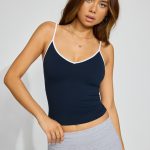
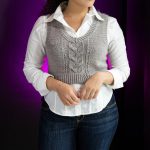
Knitting your own clothing offers a unique blend of creativity, comfort, and personal expression. One project that continues to grow in popularity is the sweater vest knitting pattern. Whether you’re a beginner with basic stitch knowledge or an experienced knitter looking for a stylish challenge, this garment delivers both function and fashion. A hand-knit sweater vest layers beautifully over shirts, blouses, or dresses. It adds warmth without restricting movement. At the same time, it showcases your craftsmanship. From classic cable designs to modern minimalist cuts, there’s a sweater vest knitting pattern for every taste.
Moreover, creating your own vest allows complete control over fit, color, and texture. You choose the yarn, needle size, and silhouette. This customization ensures the final piece matches your body shape and wardrobe needs. Unlike mass-produced garments, a handmade vest carries emotional value. Each stitch represents time, effort, and care. As more people turn to slow fashion and sustainable living, the sweater vest knitting pattern has become a go-to project. It supports eco-conscious choices while offering long-term wearability. In this guide, we’ll explore everything from selecting patterns to finishing techniques.
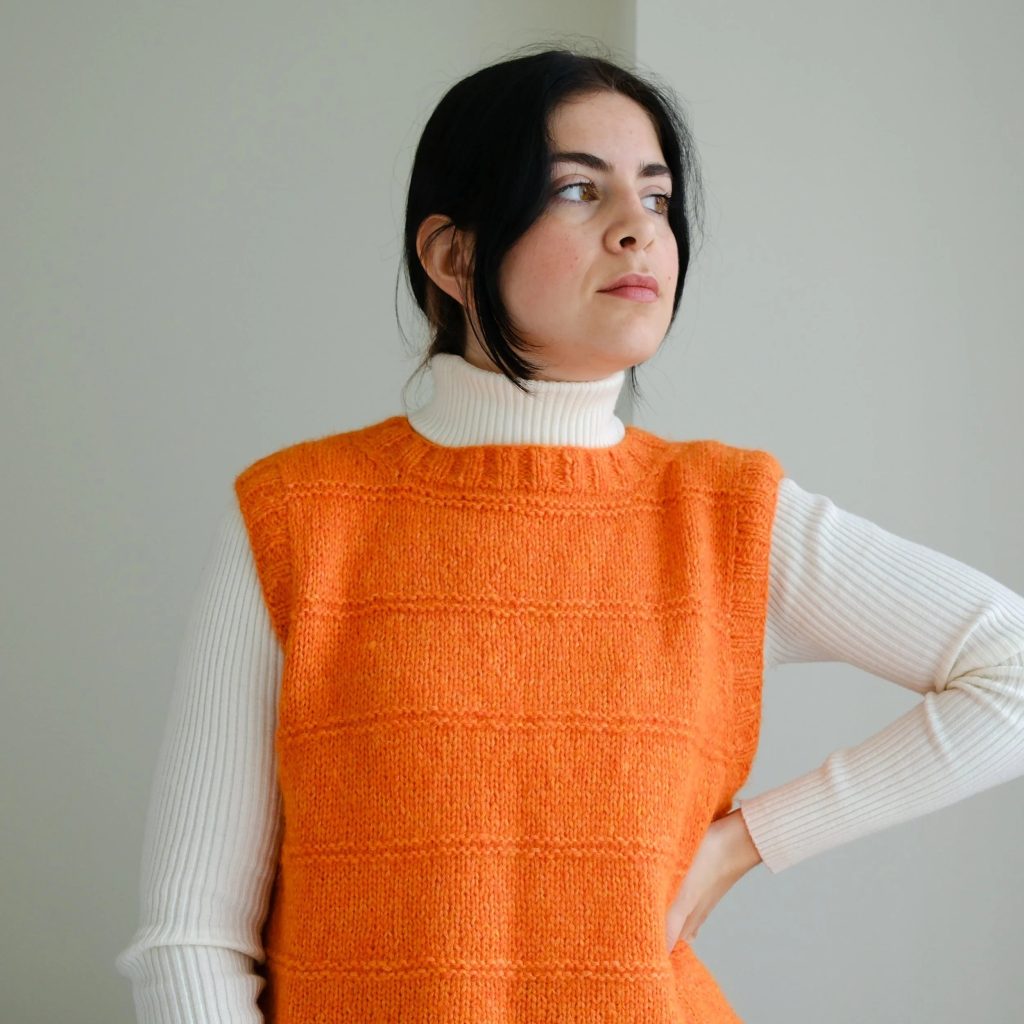 Why Choose a Sweater Vest Knitting Pattern
Benefits of Hand-Knitted Wearables
Creating a garment from a sweater vest knitting pattern brings many rewards. First, you gain full creative freedom. Pick any color combination imaginable. Mix textures like wool, alpaca, cotton, or blends. Design a bold statement piece or a neutral layering essential. No store-bought item can match this level of personalization.
Second, hand-knit items last longer when made with quality materials. Commercial sweaters often use thin yarns and weak seams. In contrast, your knitted vest can be built for durability. Reinforced shoulders, sturdy edgings, and tight gauge stitching improve longevity. With proper care, it lasts for years.
Another benefit is cost efficiency. While high-end knitwear can cost hundreds, a DIY version uses affordable supplies. Yarn prices vary, but most vests require 800–1500 yards. Even premium fibers often come in under $60. Over time, this investment pays off through repeated use.
Mental well-being also improves. Knitting reduces stress and increases focus. The rhythmic motion calms the mind. Many report entering a meditative state during long sessions. Completing a complex project boosts confidence.
Finally, gifting a hand-knit vest carries deep meaning. Loved ones appreciate the effort behind each row. It becomes a cherished keepsake.
For all these reasons, the sweater vest knitting pattern stands out as a meaningful and practical choice.
Types Available
From Simple to Advanced Designs
The variety of sweater vest knitting patterns available today is vast. Beginners should start with top-down, seamless styles. These eliminate sewing and allow try-ons during knitting. Stockinette or garter stitch versions offer easy rhythm. Minimal shaping keeps frustration low. Free online patterns often include video support.
Intermediate knitters enjoy textured stitches. Seed, rib, or basketweave patterns add visual interest. Short rows shape armholes and necklines smoothly. Techniques like picking up stitches build skills gradually. Many patterns include written and charted instructions. This helps users learn both formats.
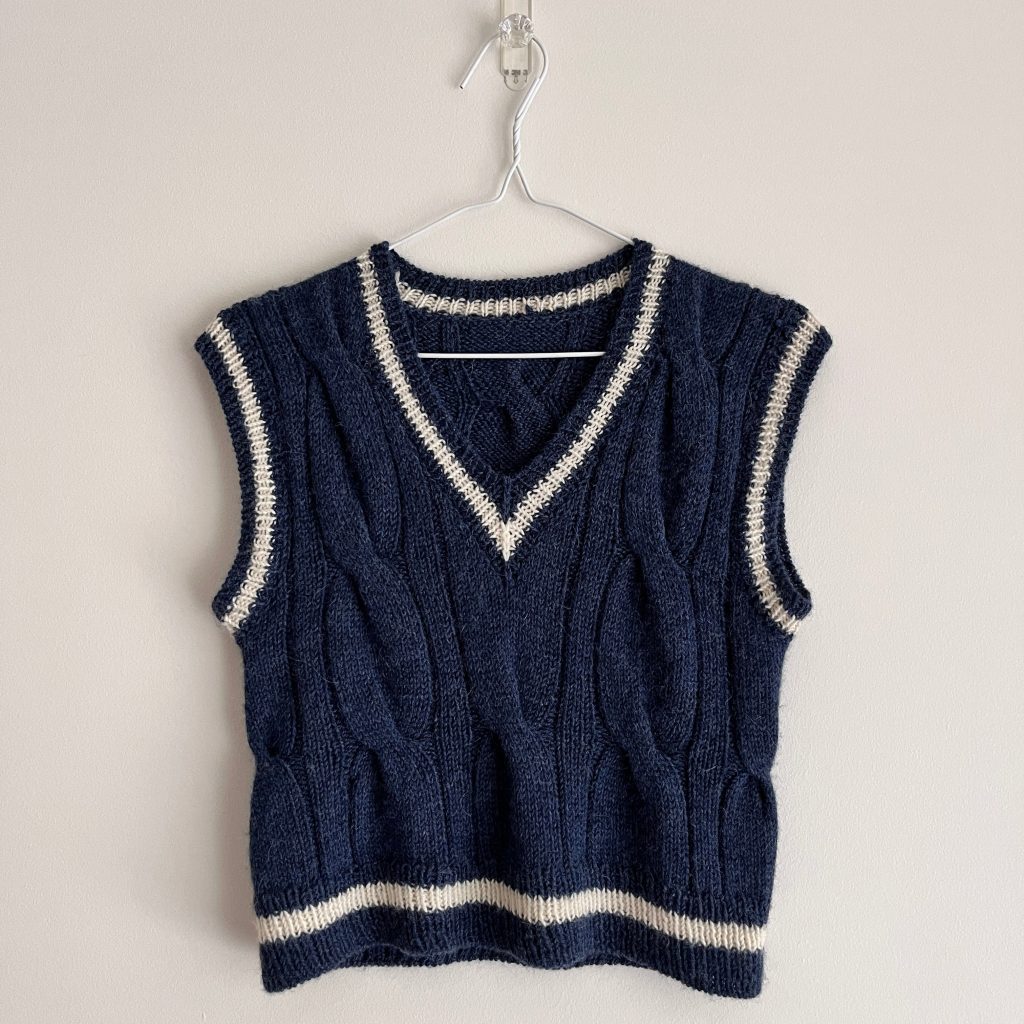
Advanced crafters seek intricate details. Cables, lacework, color blocking, and intarsia elevate design. Set-in sleeves or tailored waists challenge technique. Some patterns feature steeked constructions for cardigan-style vests. These require careful cutting but deliver professional results.
Gender-specific options exist too. Men’s vests often have boxy fits and deeper V-necks. Women’s styles may include waist shaping or curved hems. Unisex patterns bridge both preferences.
Seasonal variations matter. Lightweight cotton blends suit spring and summer. Chunky wools work for fall and winter. Some vests are designed for year-round layering.
Digital marketplaces like Ravelry, Etsy, and LoveCrafts host thousands of patterns. Filters help narrow by size, skill level, and yarn weight.
No matter your experience, there’s a sweater vest knitting pattern waiting for you.
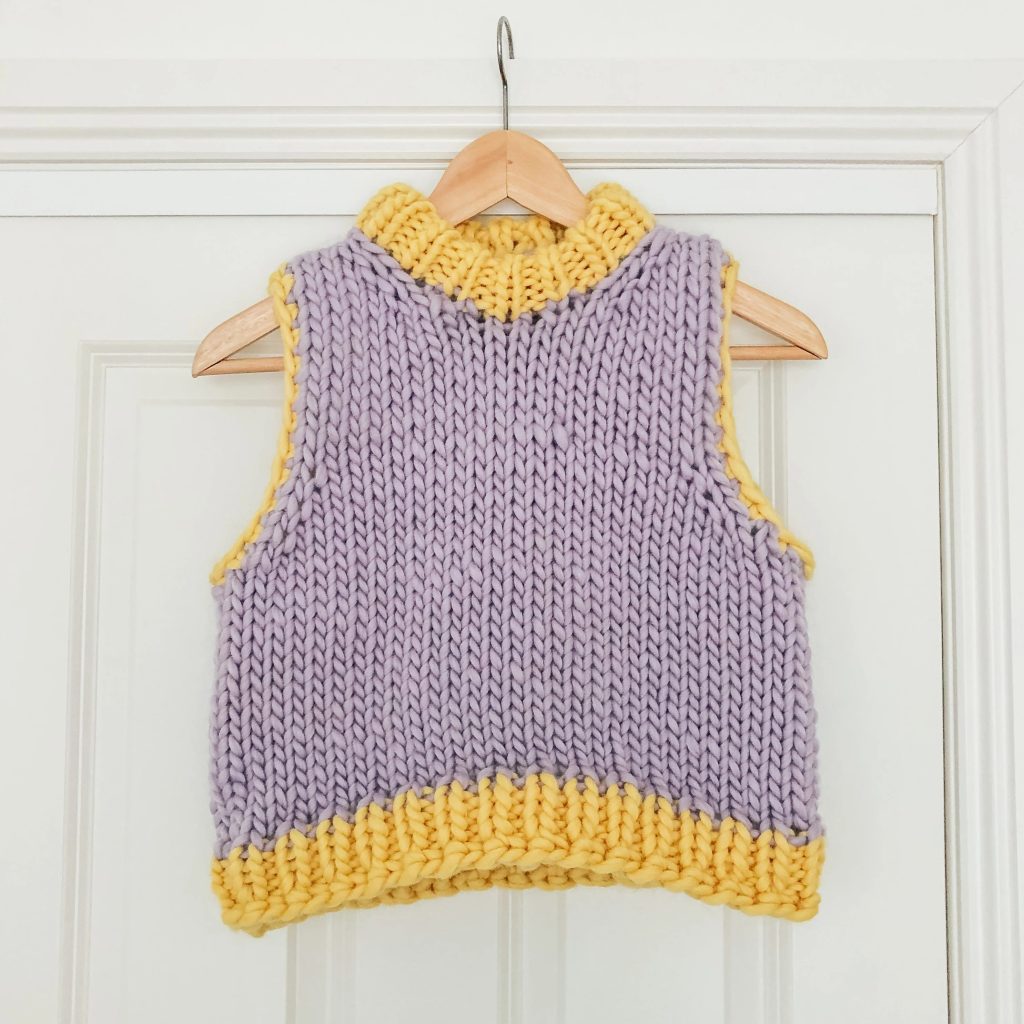 How to Read and Follow a Sweater Vest Knitting Pattern
Understanding Key Instructions and Symbols
Before casting on, take time to read the entire sweater vest knitting pattern. Start with the materials list. Check required yarn weight, yardage, and needle sizes. Purchase extra yarn—about 10% more—to avoid shortages. Swatching comes next. Knit a 4×4 inch square using recommended needles. Wash and block it. Then measure gauge. If your stitch count differs, change needle size. Accurate gauge ensures correct sizing.
Next, study the schematic. This diagram shows measurements for chest, length, armhole depth, and neck width. Compare them to a favorite-fitting vest. Adjustments can be made before starting.
Pattern abbreviations appear early. Learn common ones like k (knit), p (purl), yo (yarn over), sl (slip), and pm (place marker). Charts use symbols. Circles mean knit. Slashes indicate purls. Refer to the legend often.
Construction method affects workflow. Bottom-up starts at the hem. Top-down begins at the neckline. Seamless patterns reduce finishing work. Others require seaming shoulders or sides. Know what to expect.
Pay attention to increase and decrease points. Raglan shaping builds sleeve caps. Waist darts create curves. Neck shaping varies between crew, V, and scoop styles.
Stitch markers keep track of pattern repeats. Use different colors for key areas. Highlight the center front or side seams.
Take notes as you go. Track row counts and modifications. This prevents mistakes later.
With preparation, even complex sweater vest knitting patterns become manageable.
Choosing the Right Yarn and Needles
Matching Materials to Your Vision
Yarn selection shapes the final look of your sweater vest knitting pattern. Fiber content affects drape, warmth, and care. Wool provides elasticity and insulation. Merino feels soft against skin. Alpaca offers luxurious drape but stretches over time. Cotton gives structure but lacks bounce. Blends combine benefits. Superwash wool withstands machine washing. This suits everyday wear.
Weight classification matters. Fingering, sport, and DK yarns make lightweight vests. Worsted and aran weights yield warmer, sturdier fabric. Bulky yarns finish quickly but limit detail. Match yarn weight to pattern recommendations. Substitutions require re-swatching.
Color choice influences style. Solids highlight stitch patterns. Variegated yarns add surprise. Self-striping skeins create automatic designs. Consider how colors interact in cables or lace.
Needle type impacts tension. Metal needles slide easily. Wood or bamboo provide grip. Circular needles handle large projects. They prevent strain on wrists. Length depends on chest circumference. A 24- or 32-inch needle works for most adults.
Interchangeable sets offer flexibility. Switch tips for different sections. Use longer cords for magic loop if needed.
Always buy from the same dye lot. Slight shade differences ruin continuity. For multi-skein projects, alternate balls every few rows. This blends any variation.
Test tension regularly. Fatigue changes your knitting. Rest hands often.
Great materials elevate your sweater vest knitting pattern from good to exceptional.
 Step-by-Step Construction Tips
Building Your Vest with Confidence
Start by casting on carefully. Use a stretchy method like long-tail or provisional cast-on. This avoids tight edges at the hem or neckline. Follow the pattern’s setup rows. Mark key areas with stitch markers.
Work the body first if knitting bottom-up. Shape the waist by decreasing at intervals. Maintain consistent tension. Avoid pulling too tightly at seam lines. When reaching the armholes, place live stitches on holders. Continue separately for front and back.
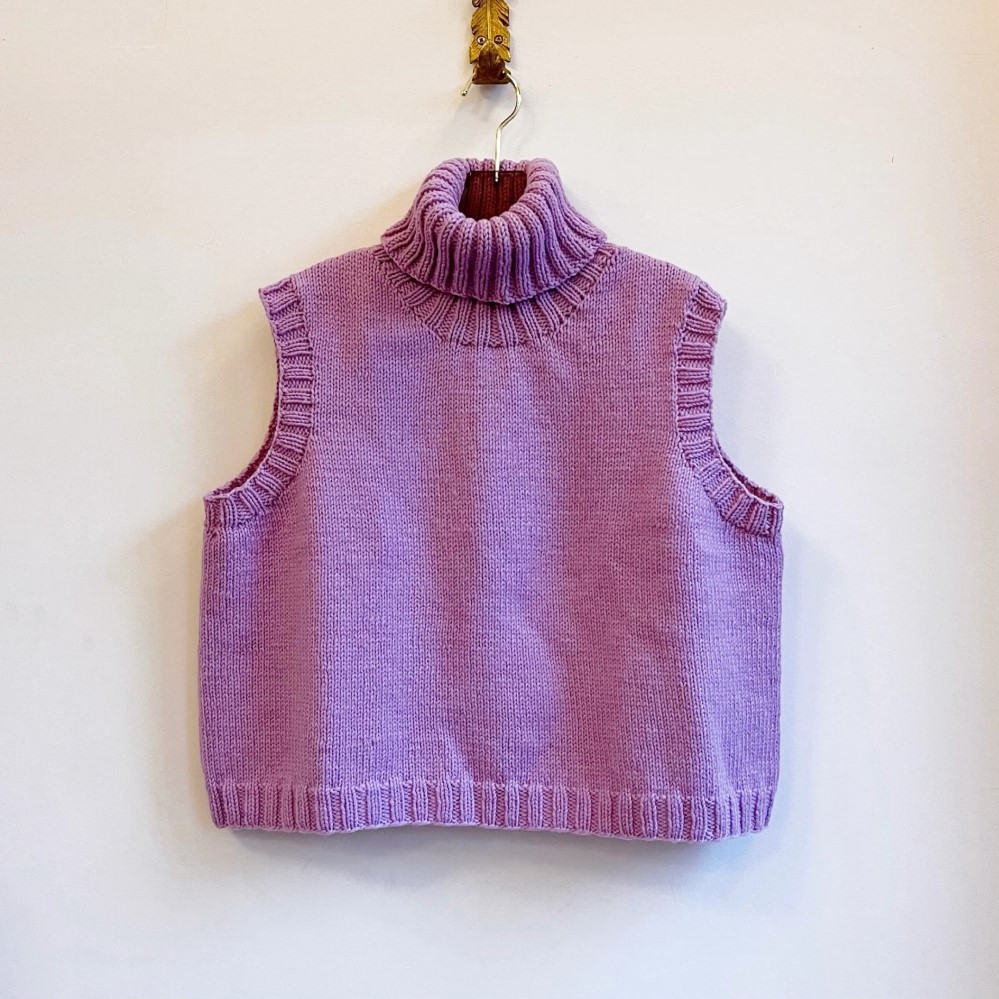
For top-down vests, begin at the neck. Increase evenly to form the yoke. Use raglan or round yoke shaping. After splitting for armholes, work the body in one piece. This eliminates side seams.
Armhole edging requires neatness. Pick up stitches evenly around the curve. Use smaller needles if needed. Knit a few rounds of ribbing or seed stitch. This prevents flaring.
Necklines need special attention. Crew necks use ribbed bands. V-necks increase slowly down the front. Short rows shape smooth curves. Always block the finished piece. This sets stitches and opens lace.
Try it on during breaks. Check fit across shoulders and chest. Make small adjustments early.
Seaming, if needed, should be invisible. Mattress stitch joins pieces neatly. Whip stitch works for bulky yarns. Weave in ends thoroughly. Trim excess.
Each step builds toward a polished result.
Styling and Wearing Your Finished Sweater Vest
Integrating Handmade Fashion into Daily Life
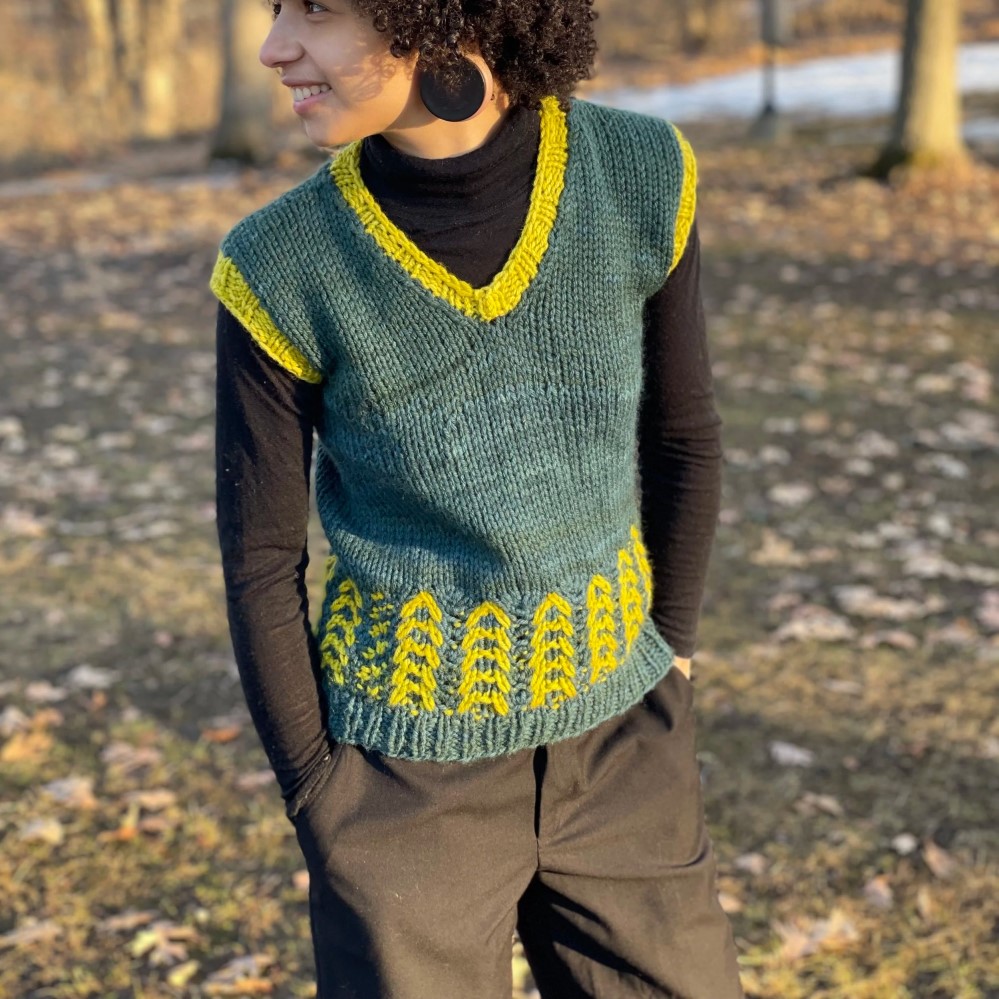
A completed sweater vest knitting pattern deserves to be worn proudly. Layer it over collared shirts for a preppy look. Pair with jeans and boots for weekend outings. Add a scarf and loafers for smart-casual appeal. Its versatility makes it ideal for multiple occasions.
Women can style it over sundresses in cooler weather. Belted at the waist, it creates definition. Men wear it with chinos and Oxford shirts. It bridges formal and relaxed settings.
Choose colors that match your palette. Neutrals like gray, beige, navy, and black mix easily. Brights or pastels add flair. Fair Isle or argyle patterns bring vintage charm.
Seasonal rotation keeps things fresh. Lightweight vests suit spring layering. Chunky knits shine in winter. Store others folded in breathable containers. Cedar blocks deter moths.
Wear it to knitting groups or craft fairs. Share your process. Inspire others to try their own sweater vest knitting pattern.
Photograph your work. Post online with hashtags. Join communities on Instagram or Ravelry. Feedback fuels future projects.
This garment isn’t just functional. It tells a story. Every ridge and cable reflects your journey.
 Frequently Asked Questions
Common Concerns About Sweater Vest Knitting Patterns
Can beginners knit a sweater vest? Yes. Start with simple patterns. Choose top-down, seamless designs. Use worsted weight yarn and size 8 needles.
How long does it take to finish? Depends on skill and complexity. Basic vests take 20–40 hours. Detailed ones may need 60+. Work in short sessions. Progress adds up.
Do I need circular needles? Highly recommended. They hold more stitches. Avoid shoulder strain. Double-pointed needles work for small parts.
Can I modify the length? Absolutely. Add or subtract rows before armholes. Keep gauge consistent.
What if I make a mistake? Fix it early. Use lifelines every few inches. These threads catch dropped stitches. Tink (unknit) carefully.
Can I wash it in the machine? Only if using superwash yarn. Otherwise, hand-wash in cool water. Lay flat to dry.
Are sweater vest knitting patterns unisex? Many are. Check schematics for fit. Adjust shaping as needed.
Where can I find free patterns? Sites like AllFreeKnitting, Lion Brand, and Ravelry offer free options. Filter by rating and difficulty.
 Final Thoughts
Why a Sweater Vest Knitting Pattern Is Worth the Effort
Taking on a sweater vest knitting pattern is more than a craft project. It’s an act of mindfulness, sustainability, and self-expression. You create something useful with your own hands. The process teaches patience and precision. The result fits perfectly and reflects your taste. Whether worn daily or gifted to someone special, it holds lasting value. With so many patterns, yarns, and techniques available, no two vests are alike. By mastering this timeless garment, you join a global community of makers. So pick up your needles. Begin your next sweater vest knitting pattern today. The journey is as rewarding as the finished piece.