The crochet sweater vest pattern has become a favorite among fiber artists and handmade fashion lovers. It offers a perfect mix of creativity, function, and personal style. Whether you’re new to crochet or an experienced maker, this project allows you to craft a wearable piece with character. Many find joy in turning yarn into something both beautiful and useful.
Moreover, the crochet sweater vest pattern supports sustainable fashion. Instead of buying mass-produced clothing, you create your own. You choose the colors, fit, and texture. This means no two vests are exactly alike. Each one carries the rhythm of the maker’s hands. As slow fashion grows in popularity, handmade garments like this stand out even more.
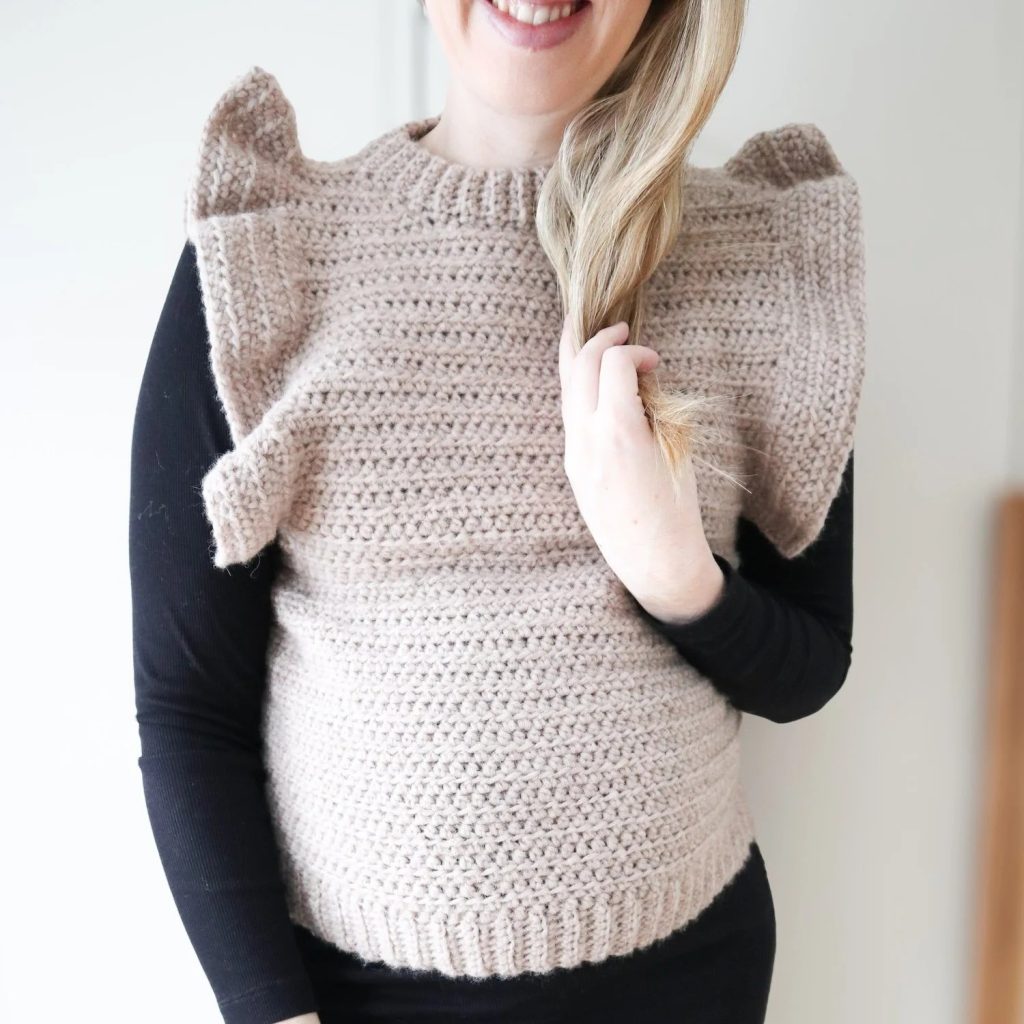 Why Choose a Crochet Sweater Vest Pattern?
One major reason people love the crochet sweater vest pattern is its versatility. You can wear it over blouses, dresses, or long-sleeve shirts. During spring and fall, it adds light warmth without overheating. In winter, layer it under coats for extra insulation. Its sleeveless design keeps arm movement free.
Additionally, crocheting a vest gives full control over sizing. Standard patterns come in multiple sizes. However, you can easily adjust stitch counts to fit your body perfectly. This is especially helpful for unique proportions or changing measurements. Custom fit means comfort and confidence.
You also save money in the long run. Once you own basic supplies, each new project uses only yarn and time. Compared to store-bought knitwear, handmade pieces often cost less. At the same time, they carry more sentimental value. The crochet sweater vest pattern becomes both practical and meaningful.
Personalization Through Color and Texture
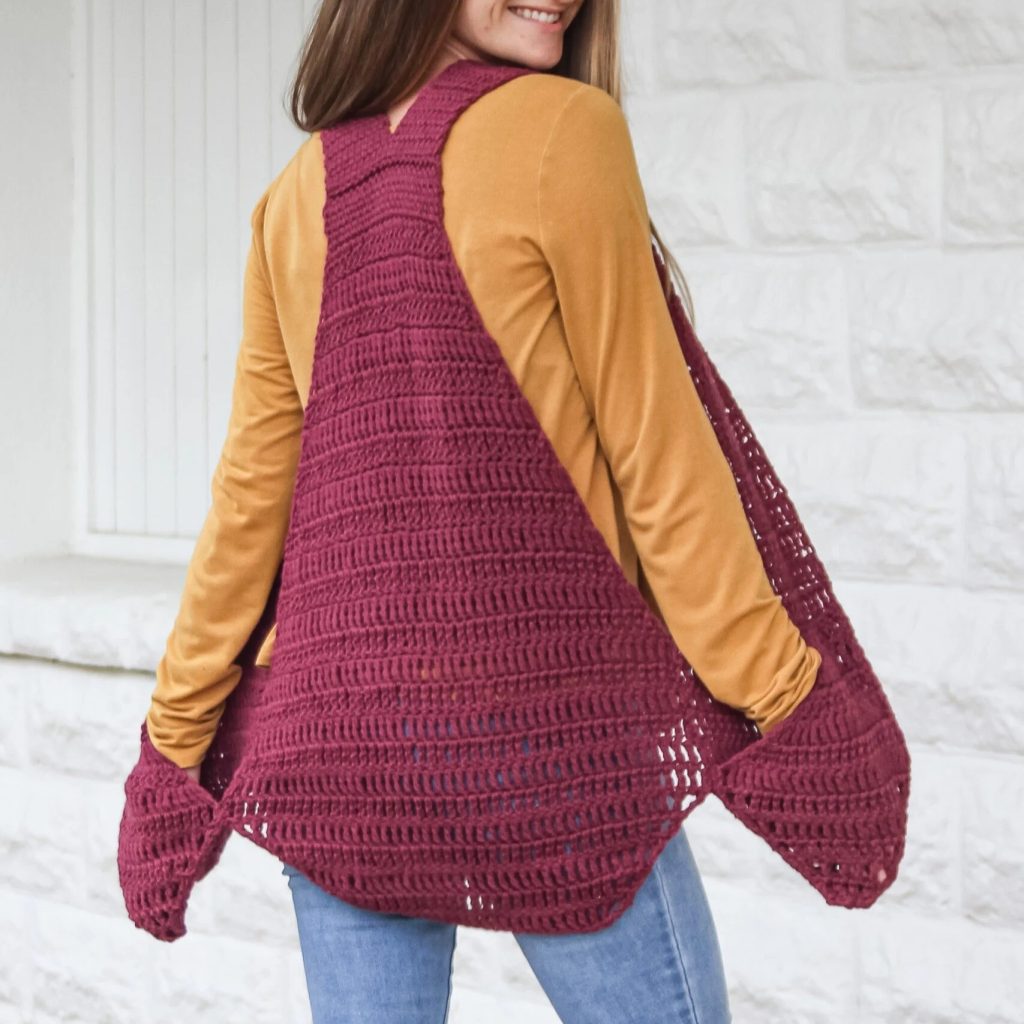
Color choice transforms any crochet sweater vest pattern. You might pick soft neutrals like cream, gray, or beige for a minimalist look. Or go bold with jewel tones—emerald, sapphire, or deep plum. Some makers use ombre yarns that shift gradually from light to dark.
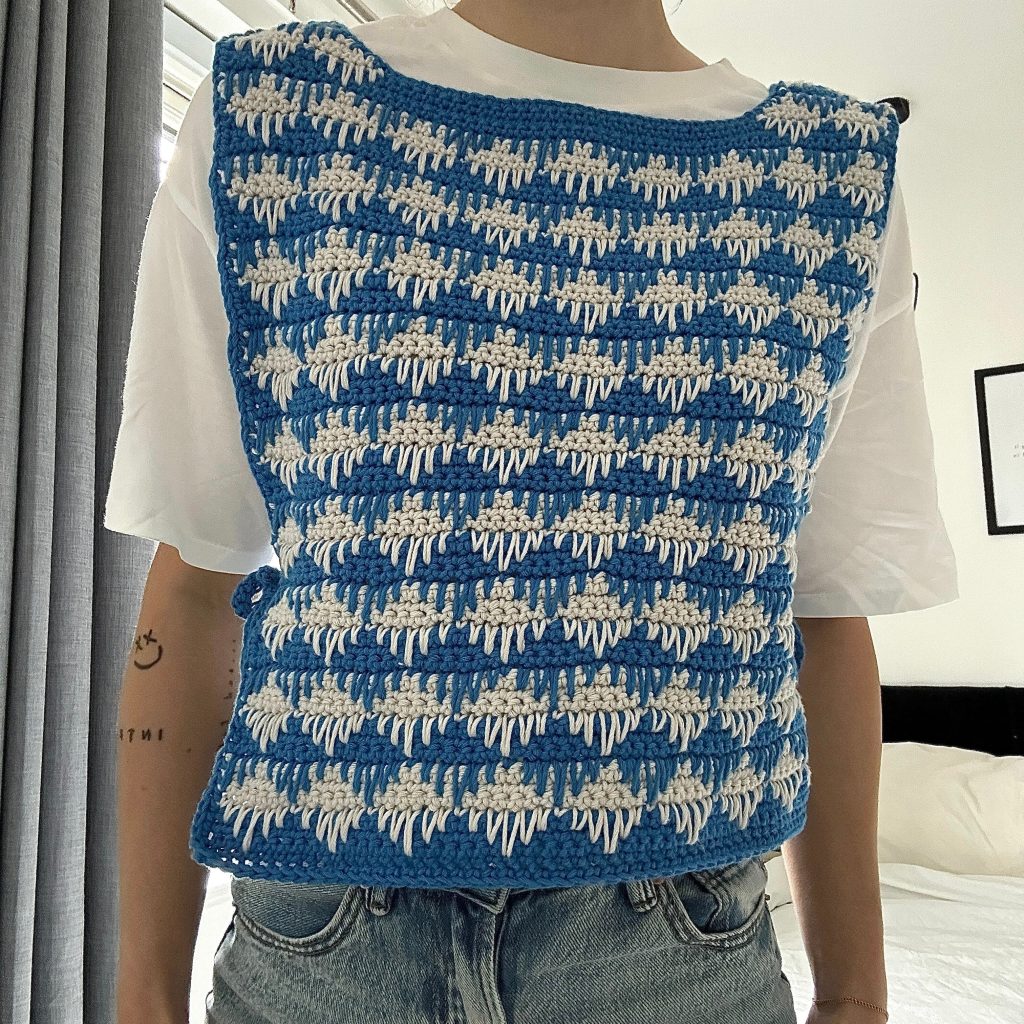
Stripes add visual interest. Alternate rows between two or more colors. Vertical stripes elongate the torso. Horizontal ones create width. Fair Isle techniques let you include small motifs like hearts or stars. These details make the vest uniquely yours.
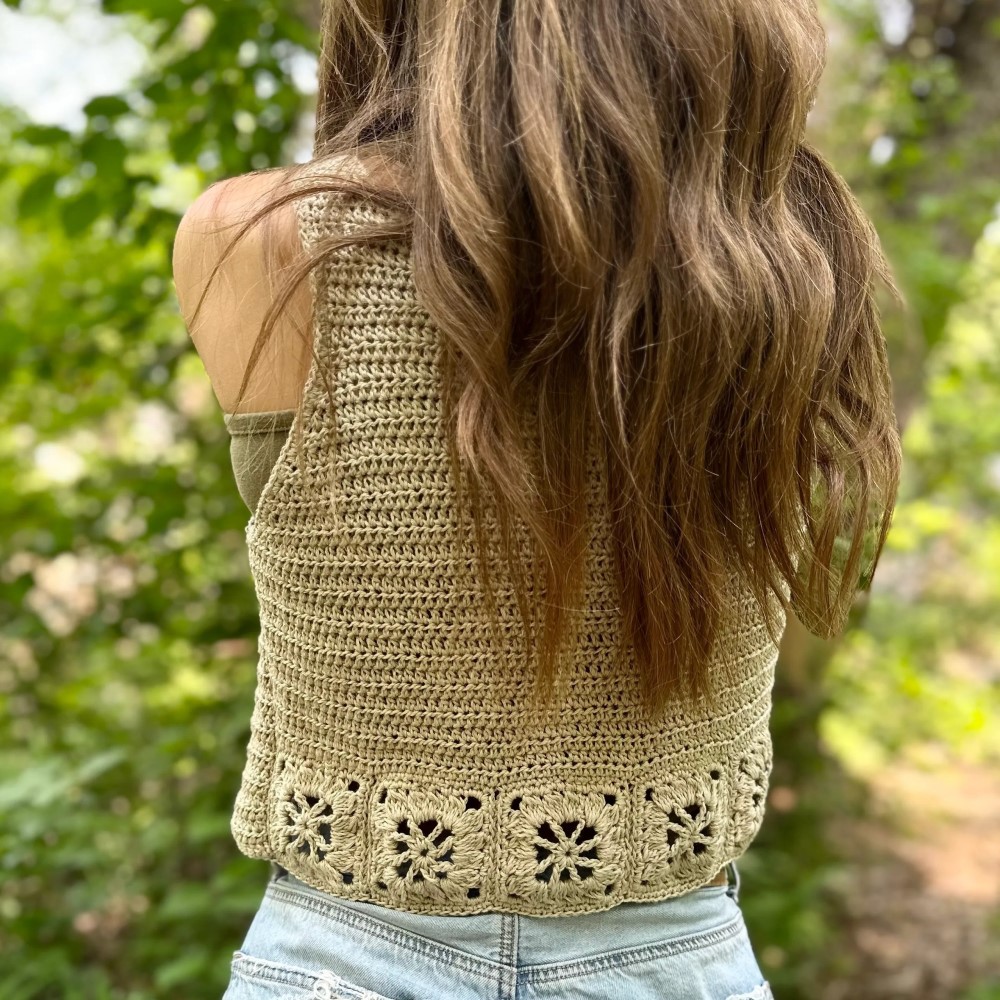
Texture plays a big role too. Simple single or double crochet gives a smooth finish. Bobble stitches add playful dimension. Shell, ripple, or pineapple patterns bring vintage flair. Cable stitches mimic knitted wool. Each texture changes how the vest drapes and feels.
Understanding Basic Stitches and Techniques
Before starting a crochet sweater vest pattern, review core stitches. The chain (ch) forms the foundation. Double crochet (dc) builds height quickly. Single crochet (sc) creates tight, sturdy fabric. Half double crochet (hdc) sits between the two in density.
Increasing and decreasing shape the garment. To widen, work two stitches into one space. To narrow, skip a stitch or join two together. These skills help form armholes, necklines, and curves. Practice on swatches first to build muscle memory.
Joining rounds matters for seamless designs. Use slip stitches or invisible joins for clean transitions. Mark the first stitch with a locking stitch marker. This prevents losing count. Counting stitches every few rows avoids mistakes later.
Gauge is another key factor. Make a 4×4 inch swatch before beginning. Check how many stitches fit per inch. If your gauge is off, change hook size. Correct gauge ensures proper fit and yarn usage.
Reading and Following Written Patterns
Most crochet sweater vest pattern guides use standard abbreviations. Learn common terms like “rep” (repeat), “rnd” (round), and “sp” (space). Publishers follow universal symbols. This makes patterns easy to understand across languages.
Read the entire pattern first. Note special instructions, charts, or video links. Highlight sections you want to remember. Write down your size clearly. This reduces confusion once you start.
Pay attention to construction order. Some vests work top-down. Others begin at the bottom and move up. Circular designs avoid side seams. Flat pieces require seaming later. Know which method your pattern uses.
Take notes as you go. Track row numbers and changes. Use stitch markers after every ten stitches. This helps maintain accuracy. Mistakes are easier to fix when caught early.
 Materials Needed for Your Project
Start by choosing the right yarn. Acrylic is affordable and durable. It washes well and comes in many colors. Cotton blends breathe better in warm weather. Wool offers warmth and elasticity. Superwash wool is machine-washable and user-friendly.
Next, select a crochet hook. Match the size to your yarn label. Most medium-weight yarns use 5.0mm to 6.0mm hooks. Bamboo hooks feel gentle on hands. Aluminum ones offer speed and precision. Ergonomic handles reduce strain during long sessions.
Other tools include scissors, tapestry needles, and measuring tape. Scissors cut yarn cleanly. Tapestry needles weave in loose ends. Measuring tape checks progress against pattern specs. Stitch markers keep track of important spots.
Don’t forget buttons or closures if your design includes them. Some vests have front openings. Others use ties or zippers. Plan these details ahead of time. Purchase extras in case of loss or damage.
Tips for Choosing the Right Yarn Weight
Yarn weight affects drape and warmth. Light worsted (category 3) works well for breathable vests. It’s not too heavy but still holds shape. Medium (category 4) is most common. It builds fabric quickly and wears well.
Bulky yarn (category 5) finishes fast. It’s great for cozy, oversized styles. However, it may be too warm for daily wear. Lace weight (category 0) suits delicate summer versions. It drapes beautifully but takes longer to complete.
Consider seasonality. Light cotton suits spring and summer. Wool blends shine in autumn and winter. Blends with nylon or spandex add stretch. They help the vest hold its shape over time.
Buy extra skeins. Running out mid-project causes delays. Dye lots vary between batches. Even the same color may look different. Keep receipts in case you need replacements.
Step-by-Step Construction Overview
Begin with the back panel if working flat. Chain the required number of stitches. Work rows until it reaches the correct width. Then continue until the length matches your pattern. Mark shoulder points for later.
Next, crochet the front panels. These may be identical or shaped differently. Some patterns split for a V-neck. Others stay rounded. Follow stitch counts carefully. Miscounting here affects symmetry.
After completing all pieces, join them at the shoulders. Sewn seams use slip stitches or whipstitch. Some makers prefer invisible joins. Reinforce stress areas like neck edges. Add ribbon or trim if desired.
Finally, work the armhole edging. Join yarn around each opening. Use single crochet or picot stitch for a polished look. Neckline edging follows the same method. Consistency keeps the finish professional.
Adding Finishing Touches
Edgings elevate a simple crochet sweater vest pattern. A border of scallops or shells frames the neckline beautifully. Piping in a contrasting color highlights edges. These small details make the piece look store-bought.
Buttons or toggles add function and flair. Sew them securely using strong thread. Space them evenly for balance. Test closure before finalizing placement. Functional elements should feel smooth and reliable.
Weave in all loose ends. Use a tapestry needle to hide tails inside the fabric. Trim excess close to the knot. Skipping this step leads to unraveling over time. A clean interior reflects quality craftsmanship.
Try blocking for a refined look. Wet the vest gently and lay it flat. Pin it into shape while damp. Let it dry completely. This evens out stitches and improves drape. Especially helpful for lace or openwork designs.
 Styling Your Handmade Crochet Sweater Vest
Wear your finished vest over a collared shirt for a preppy look. Tuck a button-down into high-waisted jeans. Roll the cuffs slightly. Add loafers or ankle boots. This outfit works for brunch or casual Fridays.
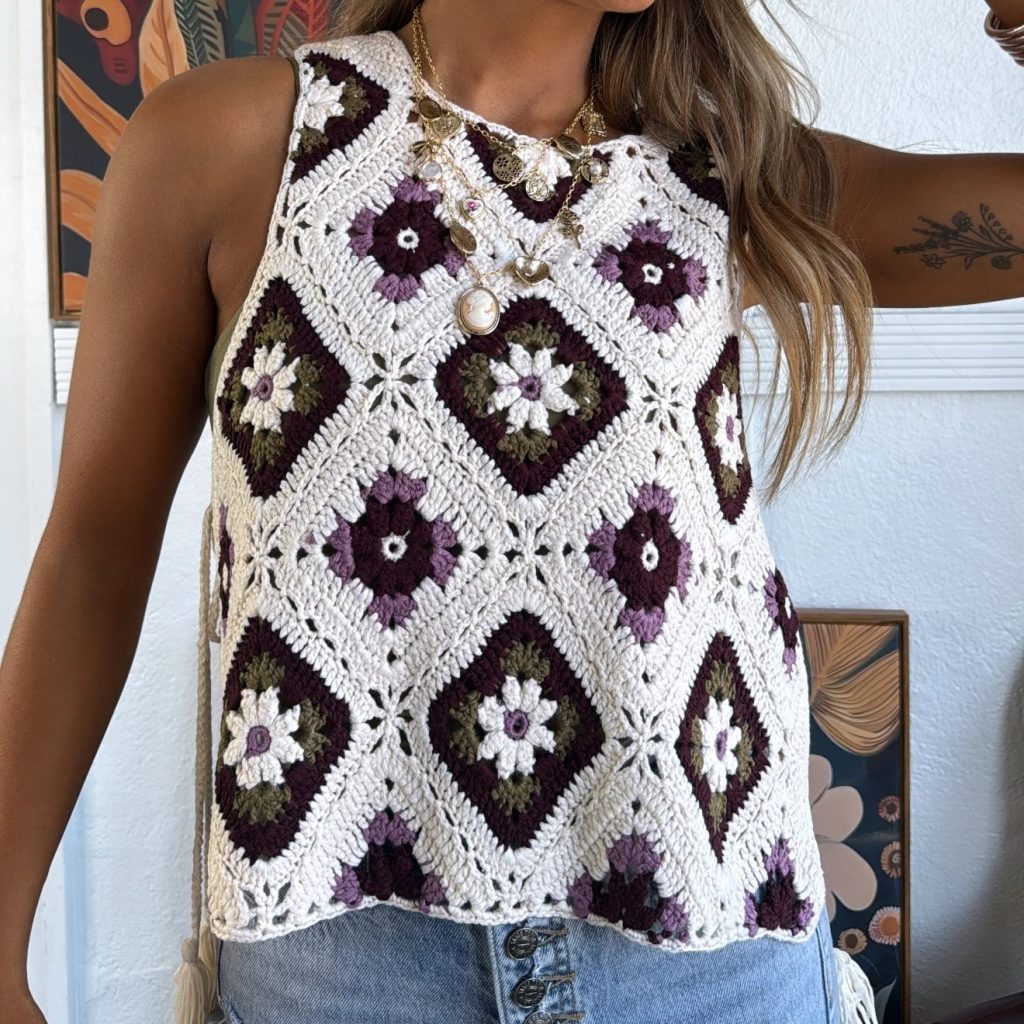
For bohemian style, pair it with a flowy maxi dress. Earth-toned yarn enhances the vibe. Layer with long necklaces and stacked rings. Finish with sandals or suede boots. Natural textures complement handmade fibers.
In cooler months, layer it under a trench coat. Wear a turtleneck underneath for added warmth. Choose neutral yarns like camel or charcoal. This creates a modern, minimalist silhouette.
Even office settings welcome a polished version. Opt for solid colors and structured stitches. Pair with tailored pants and ballet flats. Keep accessories minimal. Your handmade piece speaks quietly but confidently.
Confidence in Creating Something Unique
Finishing a crochet sweater vest pattern brings deep satisfaction. You invested time, focus, and care. Now you own something no one else has. That pride shows in how you carry yourself.
Many crocheters report reduced stress during the process. The rhythm of stitching calms the mind. Repetitive motion acts like meditation. Creative decisions keep engagement high. It’s both relaxing and energizing.
Sharing your work online builds community. Post photos on social media. Join crochet groups or forums. Others will admire your skill and ask questions. This exchange fosters connection and inspiration.
You may inspire others to start. Seeing someone wear handmade clothing sparks curiosity. Friends might request custom pieces. Teaching beginners strengthens your own knowledge. Creativity multiplies through sharing.
 Frequently Asked Questions
Can beginners use a crochet sweater vest pattern?
Yes, many patterns are beginner-friendly. Look for clear instructions and basic stitches. Start with a simple rectangle style. Build skills as you go.
How long does it take to crochet a sweater vest?
It depends on complexity and time per day. Simple versions take 10–20 hours. Detailed ones may need 30+ hours. Break it into small sessions.
What size hook should I use?
Follow the pattern’s recommendation. Match it to your yarn label. Adjust if your gauge doesn’t match. Always test with a swatch first.
Can I machine wash my crocheted vest?
Only if you used machine-washable yarn. Superwash wool or acrylic usually allows gentle cycles. Otherwise, hand wash and lay flat to dry.
 Final Thoughts
Creating a crochet sweater vest pattern is more than just a crafting project. It connects tradition with modern style. It supports sustainability, self-expression, and mindfulness. Each stitch tells a story of patience and vision.
Over time, your skills will grow. Future projects become faster and more intricate. You’ll experiment with colors, textures, and shapes. The crochet sweater vest pattern opens the door to endless possibilities.
Ultimately, wearing something you made boosts confidence. It reminds you of what you’re capable of. So whether you gift it or keep it, know this—it’s not just a vest. It’s a symbol of creativity, effort, and heart. And that makes the crochet sweater vest pattern truly special.