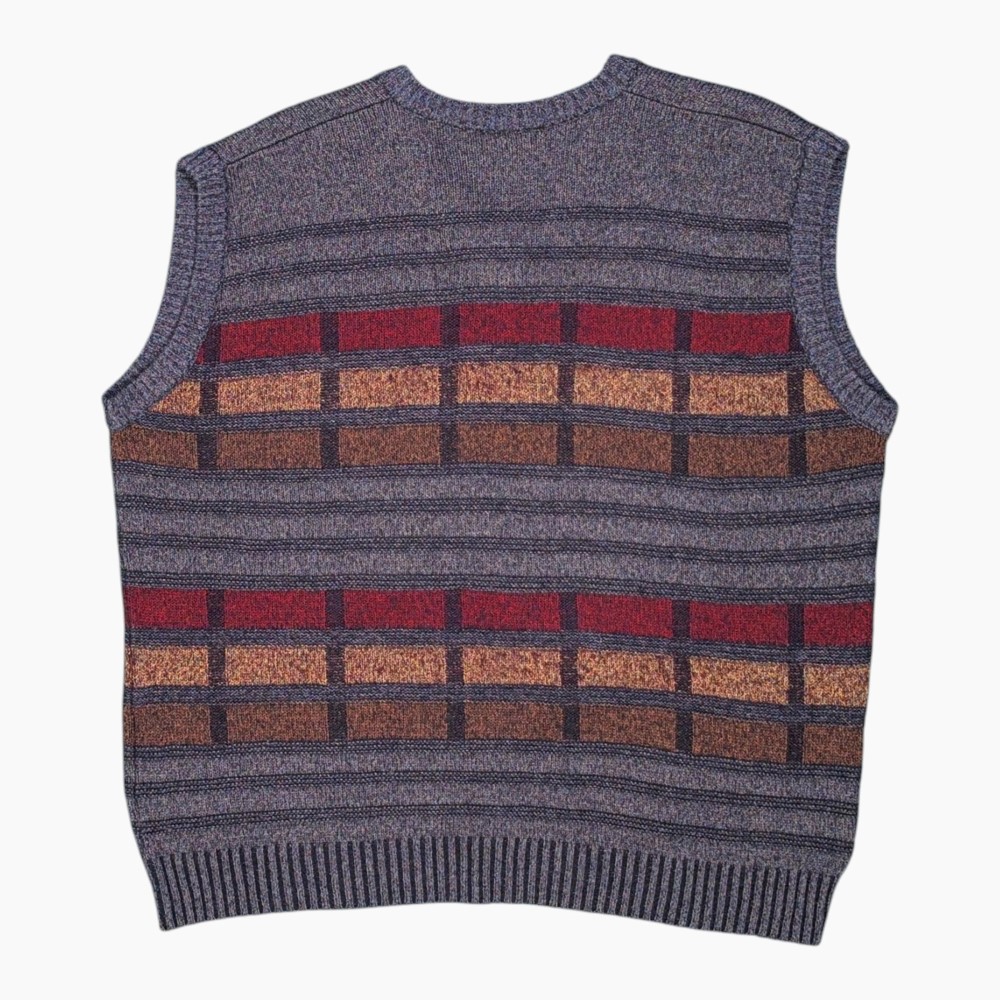
The vintage sweater vest has made a powerful comeback in modern fashion. Once seen as a relic of past decades, it now stands as a symbol of style and individuality. Its unique blend of comfort and character appeals to people across generations. Whether worn over a collared shirt or layered with a t-shirt, the vintage sweater vest adds depth to any outfit.
Additionally, its resurgence reflects a growing love for sustainable fashion. Many choose this piece because it reduces reliance on fast fashion. Instead of buying new items constantly, they embrace pre-loved styles with history. Each vintage sweater vest carries a story—visible in its knit pattern, color fade, or subtle wear. As a result, wearing one feels personal and meaningful.
 Evolution of the Sweater Vest Through the Decades
From Function to Fashion Statement
In the early 20th century, men wore the vintage sweater vest primarily for warmth without restricting arm movement. Golfers and academics favored it during cold months. It allowed freedom while maintaining a polished appearance. Over time, designers began experimenting with colors and textures.
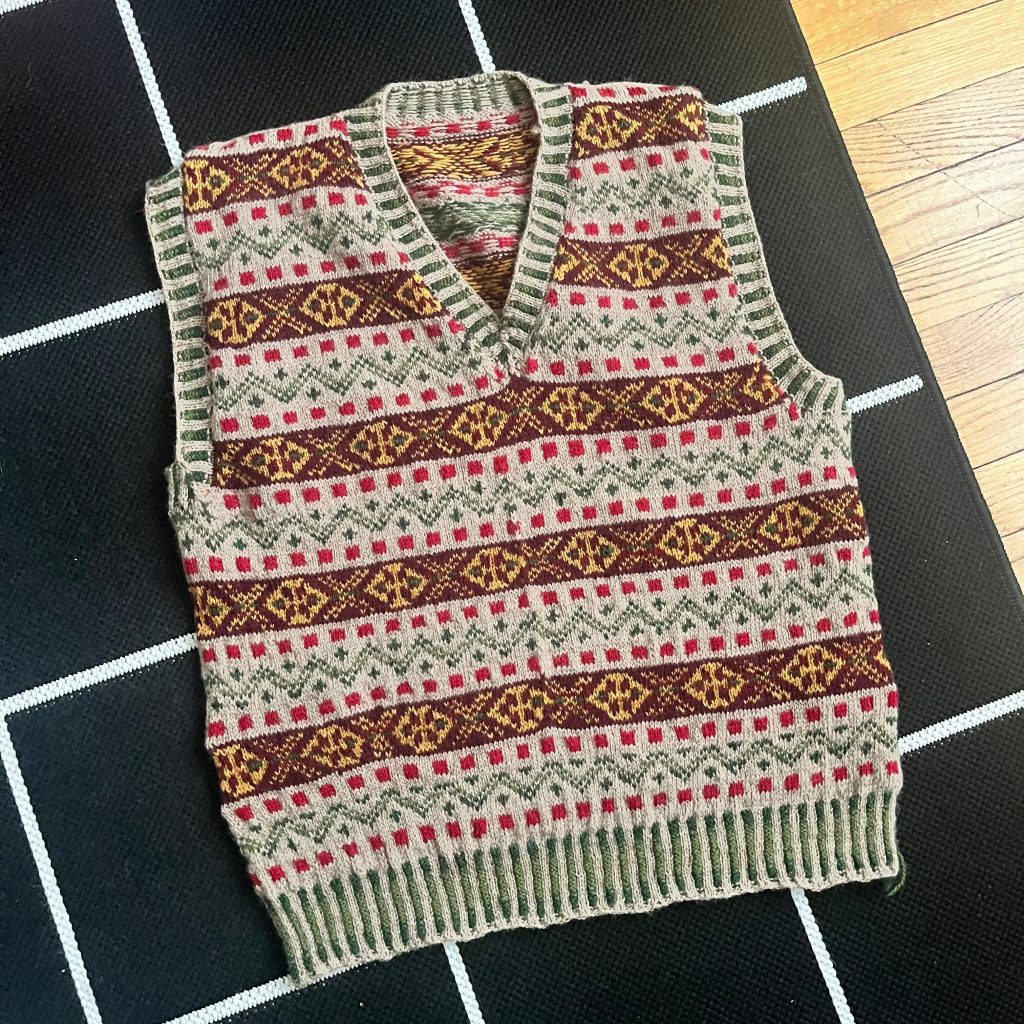
Then, in the 1950s, college students adopted the style. They paired it with button-down shirts and slacks. This look became associated with intelligence and tradition. Later, in the 1970s, bold patterns and bright hues transformed the vintage sweater vest into a playful accessory.
Moreover, the 1980s brought oversized fits and neon tones. Pop culture icons wore them on TV and stage. Consequently, the garment gained mainstream attention. Meanwhile, in the 1990s, grunge influences led to thrifted versions layered over flannel.
Now, in the 2000s and beyond, the vintage sweater vest blends nostalgia with modern minimalism. Designers revisit classic cuts but update materials. Therefore, today’s wearers enjoy both heritage and innovation.
How to Style a Sweater Vest Today
Casual Everyday Outfits
Wearing a vintage sweater vest casually creates an effortlessly cool look. Pair it with a plain white t-shirt and dark jeans for balance. The contrast between simplicity and texture keeps the eye engaged. Also, rolled-up sleeves add a relaxed touch.
Furthermore, try layering it over a long-sleeve thermal shirt. This works well in autumn or early spring. Choose earthy tones like olive, rust, or navy for a natural vibe. In addition, denim jackets can go over the vest for extra warmth.
Also, consider footwear choices. Sneakers keep the outfit laid-back. Loafers or boots elevate it slightly. Either way, the vintage sweater vest remains the focal point.
Moreover, accessories matter. A leather belt or simple watch enhances cohesion. Avoid overly flashy items—they compete with the vest’s charm.
Finally, confidence plays a key role. Wear it with purpose. People notice when someone owns their style. Thus, the vintage sweater vest becomes more than clothing—it becomes expression.
Smart-Casual and Office-Ready Looks
For smarter settings, the vintage sweater vest pairs perfectly with dress shirts. Tuck a crisp oxford into tailored trousers. Then slip on the vest to add warmth and visual interest. This combination strikes a balance between formal and relaxed.
Also, choose neutral or muted colors for professional environments. Gray, beige, or burgundy work best. Avoid busy argyle prints if aiming for subtlety. However, small geometric patterns can still feel appropriate.
Moreover, unbutton the shirt collar slightly under the vest. This small detail prevents tightness and improves comfort. Additionally, cuff the sleeves just enough to show fabric. These nuances make the outfit appear intentional.
Footwear should match the tone. Oxfords or brogues complete the polished look. Socks can echo a color from the vest for cohesion.
Even in creative workplaces, this ensemble shows respect for dress codes while allowing personality. The vintage sweater vest proves that professionalism does not require dullness.
 Where to Find Authentic Vintage Sweater Vests
Thrift Stores and Secondhand Shops
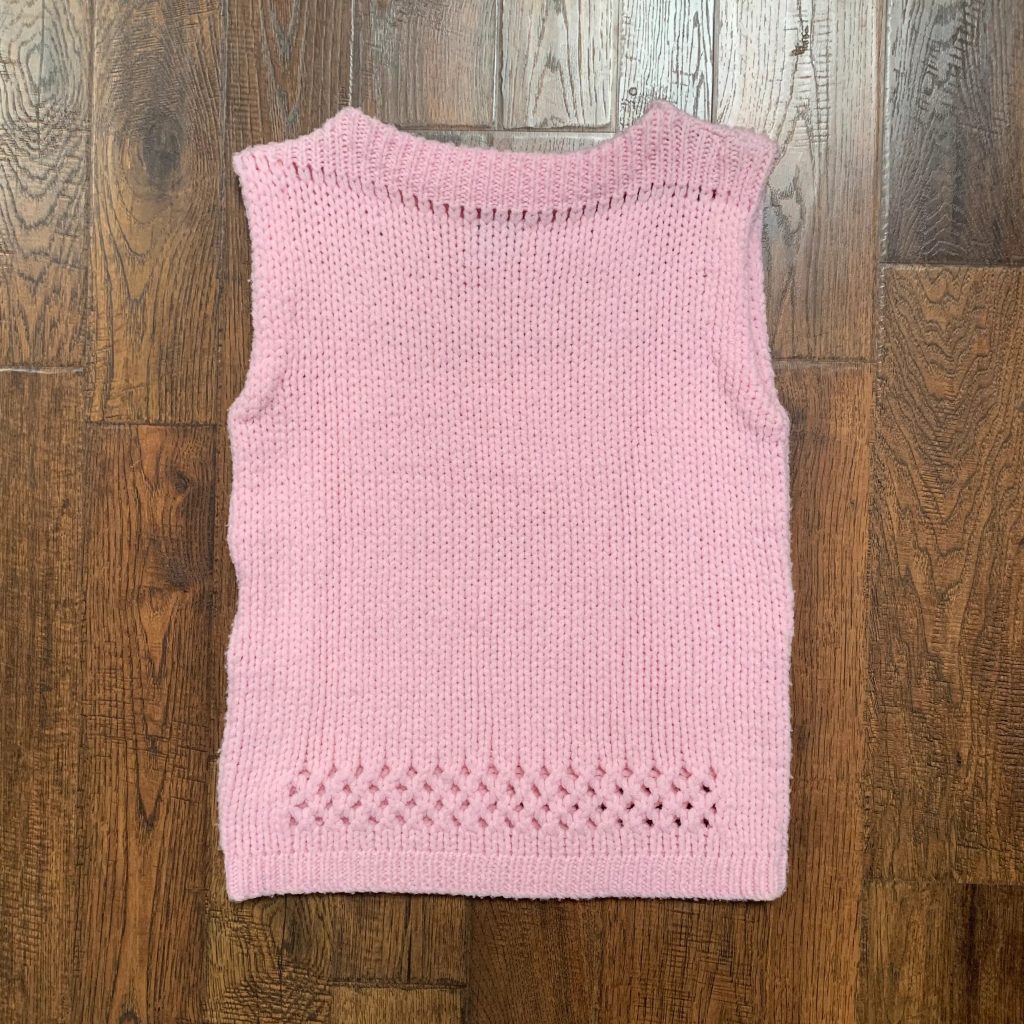
One of the best places to find a vintage sweater vest is your local thrift store. These shops often carry hidden gems at affordable prices. You might discover a rare 1970s knit or a well-preserved 1980s design.
Also, staff sometimes organize sections by decade or material. This makes browsing easier. Focus on wool, cotton, or acrylic blends depending on your needs. Wool offers warmth; cotton breathes better in mild weather.
Moreover, inspect each piece closely. Check for stains, moth holes, or stretched necklines. Turn it inside out to examine seams. A strong stitch pattern indicates durability.
Additionally, don’t rush. Finding the right vintage sweater vest takes patience. Visit different locations regularly. Inventory changes daily.
Finally, ask employees about new arrivals. Some stores set aside high-quality items. Building rapport increases your chances of early access.
Online Marketplaces and Specialty Retailers
Digital platforms have expanded access to vintage sweater vest collections worldwide. Websites like Etsy, Depop, and eBay host thousands of listings. Sellers often include detailed photos and measurements.
Also, filters help narrow results by size, color, era, or brand. This saves time and improves accuracy. Read reviews before purchasing. Positive feedback builds trust in the seller.
Moreover, some online boutiques specialize in curated vintage fashion. They clean, repair, and photograph items professionally. Though prices may be higher, quality is usually guaranteed.
Another benefit is global selection. You might find European designs unavailable locally. For example, British school-style vests differ from American sportswear models.
Still, shipping times vary. International orders take longer. Consider delivery costs and return policies upfront.
Ultimately, online shopping offers convenience and variety. With care, you’ll find a standout vintage sweater vest from anywhere.
Why the Vintage Sweater Vest Appeals to Modern Consumers
Sustainability and Ethical Fashion Choices
Modern shoppers increasingly value sustainability. The vintage sweater vest supports eco-friendly habits by reusing existing garments. This reduces textile waste and carbon emissions linked to production.
Also, fast fashion relies on mass manufacturing. It often involves poor labor conditions and low-quality materials. In contrast, vintage pieces were typically made to last. Many vintage sweater vest models use thicker yarns and tighter knits.
Moreover, choosing secondhand lowers demand for new resources. Cotton farming, dyeing processes, and transportation all impact the environment. By recycling clothing, we lessen that strain.
Additionally, repairing or upcycling old vests extends their life further. Simple fixes like darning holes or replacing buttons preserve function. Some even dye them for a fresh look.
As awareness grows, more people see vintage fashion as responsible. The vintage sweater vest represents that shift beautifully. It combines ethics with aesthetics seamlessly.
Nostalgia and Personal Identity Expression
Beyond practical benefits, the vintage sweater vest taps into emotional connections. Many associate it with family memories. Perhaps a grandfather wore one while reading or gardening. Wearing a similar piece honors that bond.
Also, certain decades evoke distinct cultural moments. The 1950s suggest elegance; the 1980s imply boldness. Selecting a vest from a favorite era lets you express identity through fashion.
Moreover, individuality matters in a world of mass-produced trends. A vintage sweater vest ensures you won’t blend in. Its uniqueness sparks conversations and compliments.
Customization adds another layer. Embroider initials, add patches, or pair it unconventionally. These choices reflect who you are.
Finally, nostalgia isn’t about living in the past. It’s about carrying forward what was meaningful. The vintage sweater vest does exactly that—with flair.
 Caring for Your Sweater Vest
Washing and Drying Guidelines
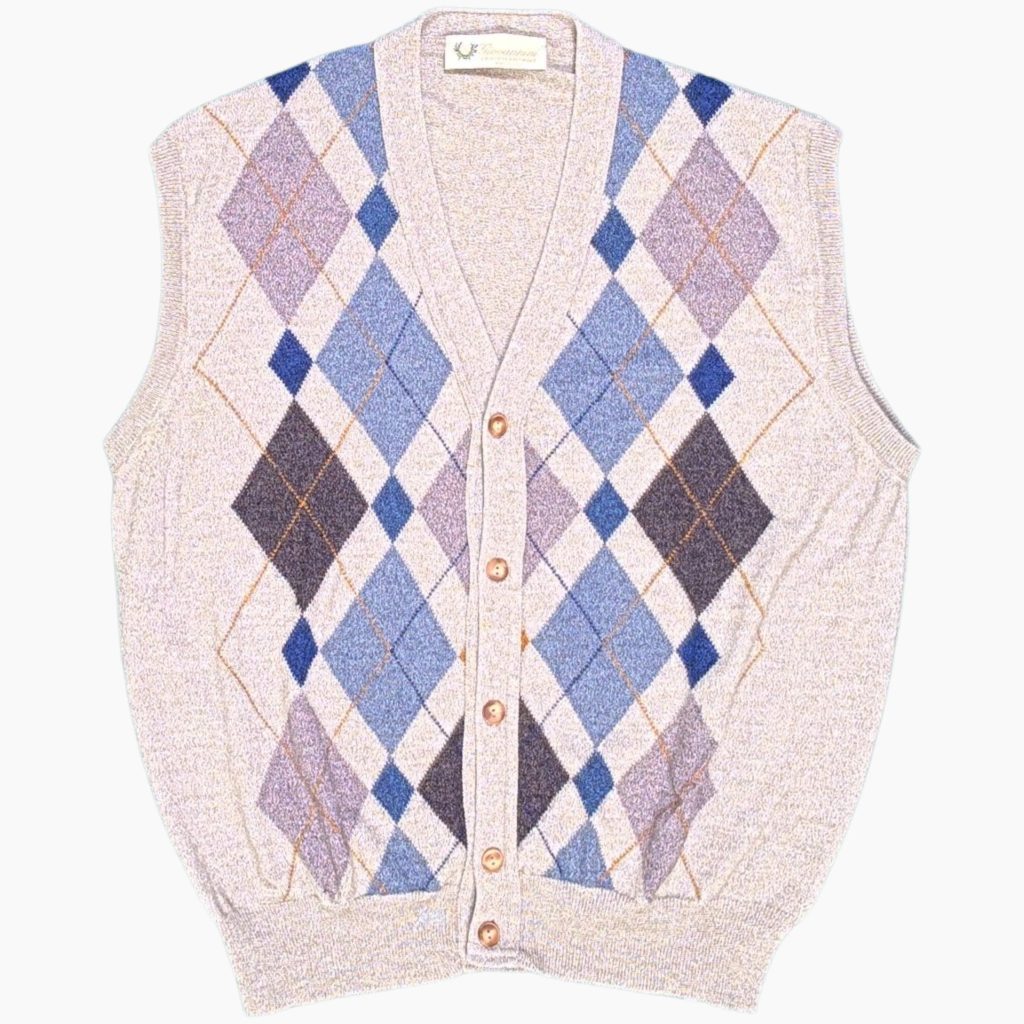
Proper care keeps your vintage sweater vest looking great for years. Always check the label first. If hand-wash only, follow those instructions carefully. Fill a basin with cool water and mild detergent.
Next, submerge the vest gently. Swish it slowly for a few minutes. Do not twist or wring it—this damages fibers. After washing, drain the water and press lightly to remove excess moisture.
Then, lay the vest flat on a clean towel. Roll the towel to absorb more water. Unroll and reshape the vest on a drying rack. Keep it away from direct sunlight or heat sources.
Also, avoid hanging it. Gravity can stretch the shoulders and distort the shape. Wool especially sags when wet. Flat drying maintains structure.
If machine washing is permitted, use a mesh bag and delicate cycle. Even then, cold water and low spin are essential.
By following these steps, your vintage sweater vest stays soft and intact. Small efforts prevent big damage.
Storage Tips to Prevent Damage
Storing your vintage sweater vest correctly prevents moths, creases, and fading. First, ensure it’s completely dry before putting it away. Any dampness encourages mold growth.
Use breathable cotton storage bags instead of plastic. Plastic traps moisture and promotes deterioration. Cedar blocks or lavender sachets deter insects naturally. Place them near—but not directly on—the fabric.
Fold the vest neatly and place it in a drawer or shelf. Avoid wire hangers—they create bumps along the shoulders. If stacking other clothes on top, keep weight light.
Also, rotate stored items seasonally. Air them out every few months. This prevents musty smells and checks for unnoticed wear.
Keep the storage area cool and dry. Attics and basements often have humidity fluctuations. These harm delicate knits over time.
Lastly, handle the vintage sweater vest with clean hands. Oils transfer easily and attract dirt. Gentle treatment preserves both look and longevity.
Frequently Asked Questions
Can women wear a vintage sweater vest? Yes, it’s a unisex garment. Many styles fit various body types. Oversized cuts offer trendy silhouettes.
Are all vintage sweater vest pieces made of wool? No, materials vary. Common ones include cotton, acrylic, polyester, and blends. Check labels for content.
How do I know my size? Measure chest width and compare it to listing details. Vintage sizing runs smaller than modern standards.
Can I alter a too-large vest? Yes, a tailor can take in side seams. Be cautious with thick knits—they’re harder to modify.
Does pilling mean poor quality? Not necessarily. Friction causes pills. Use a fabric shaver to remove them safely.
Is it okay to mix patterns? Yes, if colors coordinate. Pair a plaid shirt with a solid vest, or vice versa.
Where should I start searching? Begin with local thrift stores or trusted online sellers. Read descriptions thoroughly.
Can I wear it in summer? Lighter cotton versions work in cooler summer evenings. Avoid heavy wool in hot weather.
 Final Thoughts
The vintage sweater vest continues to captivate fashion lovers around the world. It bridges past and present with ease. Its versatility allows endless styling options. At the same time, it supports mindful consumption.
Moreover, each piece tells a story. Faded elbows, unique buttons, or handmade details reveal its journey. Wearing it connects you to history in a personal way.
With proper care, it lasts for decades. Simple habits protect its form and texture. Eventually, it may become a cherished heirloom.
Ultimately, choosing a vintage sweater vest means embracing individuality. It’s not about fitting in—it’s about standing out with purpose. Anyone seeking character, comfort, and conscience in fashion should own one.