Sweater vest style has evolved from a classic preppy staple into a bold fashion statement. Once linked to academics and golfers, it now appears on runways, city streets, and social media feeds. This sleeveless layer offers endless styling options. It adds texture without bulk. It works across seasons and genders. Whether you’re dressing up or down, sweater vest style brings depth to any outfit. Its resurgence proves that timeless pieces never truly fade—they simply reinvent themselves.
Moreover, modern interpretations go beyond the traditional V-neck wool design. Today’s versions come in vibrant colors, unique knits, and unexpected materials. They pair with everything from button-downs to crop tops. As more people embrace individuality, sweater vest style becomes a canvas for self-expression.
 Choosing the Right Fit for Your Body Type
How Silhouette Affects Overall Appearance
Fit is crucial when building a strong sweater vest style. Too tight creates discomfort. Too loose looks sloppy. The ideal fit hugs your frame without restricting movement. Shoulder seams should align with your natural shoulders. Armholes must allow full motion.
For slim builds, a close-fitting vest enhances shape. It highlights your frame under shirts or jackets. Pair with tailored pants for balance. Avoid oversized layers on top. These add volume where you may not want it.
Those with broader shoulders should choose crew necks. They create horizontal lines that soften angular features. V-necks also work well. They draw the eye downward. This elongates the torso. Choose moderate thickness. Heavy knits increase width.
Curvier figures benefit from stretchy fabrics. Cotton blends or ribbed knits move with the body. Slightly longer lengths cover hips gently. Tunic-style vests offer modesty and flair.
Petite wearers should avoid long hems. Cropped or waist-length styles maintain proportion. Shorter torsos need balanced layering. Skip bulky collars underneath.
Tall individuals can pull off bolder cuts. Longline vests create vertical interest. They pair well with high-waisted bottoms. This maintains clean lines.
Always try before buying. Lighting and angles affect how a sweater vest style looks in person.
Styling Tips for Every Season
Adapting Your Look Throughout the Year
Sweater vest style changes with the weather. In fall, layer over long-sleeve tees or flannel shirts. Add ankle boots and dark jeans. Earth tones like rust, olive, and charcoal suit the season. Cable-knit textures enhance warmth and visual appeal.
Winter calls for heavier materials. Wool or wool-blend vests provide insulation. Wear one over a turtleneck. Let the collar rise above. This traps heat and adds polish. Under a coat, it serves as a mid-layer. No bulk, just comfort.
Spring welcomes lighter fabrics. Cotton, linen, or acrylic blends breathe well. Pastel shades—soft pink, sky blue, mint green—feel fresh. Pair with rolled-up chinos or midi skirts. Open-toe shoes complete the transition.
Summer use is limited but possible. Early mornings or air-conditioned spaces allow lightweight vests. Go for mesh or lace-knit designs. These offer airflow and subtle coverage. Pair with tank tops and shorts.
Rainy days require care. Wet knitwear can sag or shrink. Carry a compact raincoat instead. Remove your vest if caught in a storm. Dry flat at home.
With small adjustments, sweater vest style remains relevant all year.
 Color and Pattern Combinations That Work
Creating Visual Harmony Without Clashing
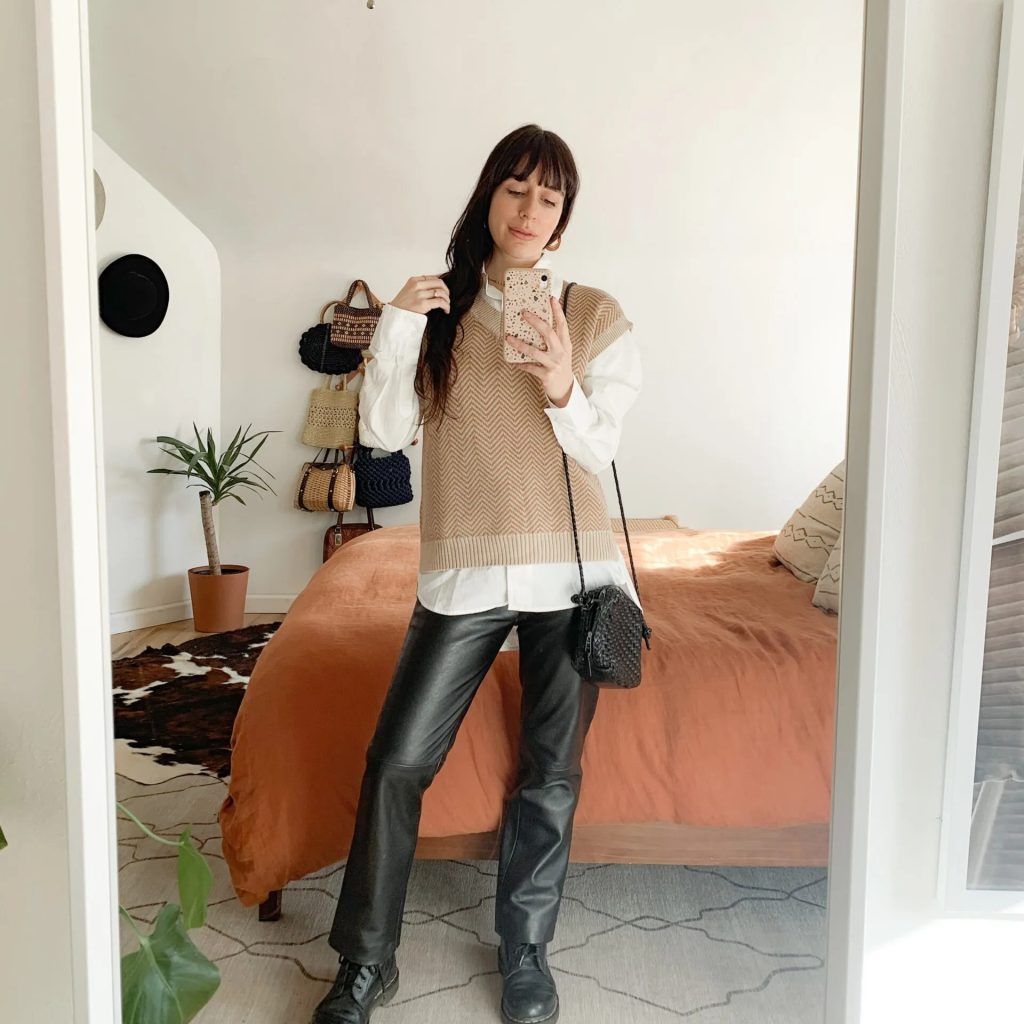
Color plays a major role in sweater vest style. Neutrals like black, gray, navy, and beige are versatile. They match nearly every wardrobe item. These shades work well in professional settings. They also serve as base layers.
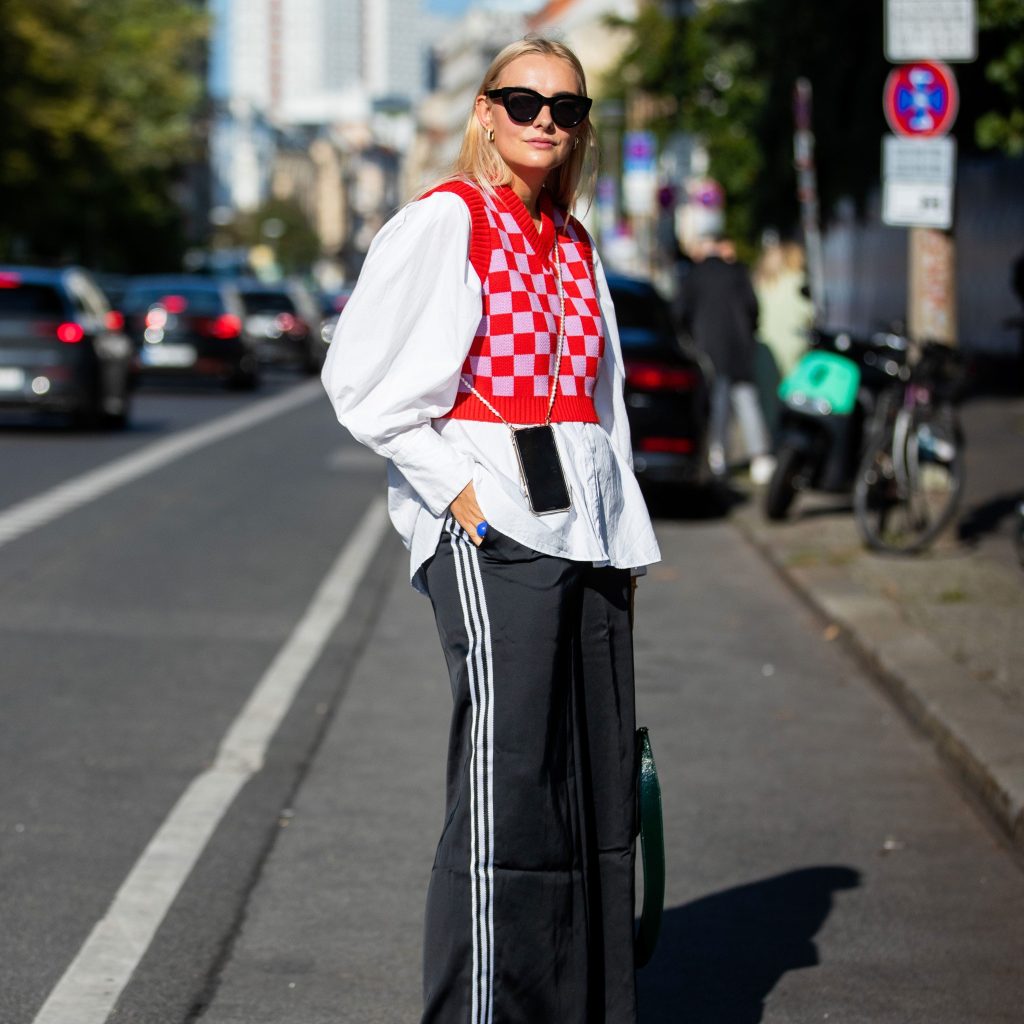
Bold colors make statements. Red, mustard yellow, or emerald green stand out. Use them to highlight confidence. Pair with neutral bottoms. This keeps focus on the upper half.
Patterns require careful pairing. Argyle, Fair Isle, and cable knits attract attention. If your vest has busy detailing, keep other layers simple. Solid shirts and plain pants prevent visual overload.
Striped vests work if stripes are narrow. Match one color to your shirt or tie. This creates cohesion. Avoid clashing diagonals. For example, don’t wear diagonal stripes with plaid.
Animal prints like leopard or snakeskin are trendy. Wear these sparingly. Let the vest be the only bold element. Black or brown bases blend easily.
Monochrome styling uses different shades of one color. Try light gray shirt with dark gray vest. Add charcoal pants. This layered look feels modern and sleek.
Contrast collars add detail. A white trim on a navy vest draws the eye. This mimics vintage tennis aesthetics.
Ultimately, sweater vest style thrives on balance. Mix textures, not too many colors.
Gender-Neutral Fashion and Inclusivity
Why Sweater Vest Style Appeals to All
One of the greatest strengths of sweater vest style is its inclusivity. It does not belong to one gender. Men wear it with ties for intellectual charm. Women style it over dresses for retro flair. Non-binary individuals use it to blur fashion norms.
Unisex cuts dominate today’s market. Many brands design vests to fit diverse bodies. Adjustable side tabs or stretch panels improve comfort. Sizing includes extended ranges. Plus-size and petite options grow in availability.
Streetwear culture embraces this flexibility. Oversized vests appear in urban fashion. Paired with hoodies or baggy pants, they challenge tradition. Logos and graffiti-inspired knits add edge.
School uniforms have long used sweater vests. Both boys and girls wore them identically. This shared history supports neutrality. Modern schools continue the trend.
Gender-fluid fashion icons adopt sweater vest style. They mix masculine and feminine elements. A vest over a lace blouse makes a powerful statement.
Retailers now feature mixed-gender campaigns. Models of all identities showcase the same piece. This promotes unity and choice.
As society moves toward inclusivity, sweater vest style reflects progress. It celebrates identity rather than restrict it.
 Layering Techniques for Maximum Impact
Building Depth Without Bulk
Layering defines sweater vest style. Start with a base. Button-down shirts are classic. White, blue, or striped patterns work best. Leave the top button undone. Roll sleeves neatly.
Add a second layer if needed. Lightweight cardigans or open denim jackets go over the vest. Keep outer layers looser than the vest. This prevents compression.
For colder climates, go inward. Wear a thermal shirt beneath. Thin merino wool provides warmth. Avoid thick undershirts. These cause puffiness.
Use contrast to define layers. Light vest over dark shirt—or vice versa. Different textures help too. Smooth cotton under rough knit creates interest.
Collar play adds fun. Poplin, oxford, or chambray shirts peek through. Pointed collars stay sharp. Soft roll-necks curl gently.
Avoid triple-layering in warm rooms. You may need to remove pieces. Choose easy-on, easy-off combinations.
Accessories finish the look. Scarves drape over the vest. Belts define waists under long cuts. Hats and bags complement color themes.
Each layer should serve a purpose. Function meets form in smart sweater vest style.
Occasions Where the Sweater Vest Shines
When and Where to Wear This Versatile Piece
Sweater vest style fits many events. In offices with relaxed dress codes, it replaces blazers. Pair with slacks and loafers. Add a pocket square for flair. This look says professional yet approachable.
School environments welcome it. Students wear it over polos or tees. It suits both classrooms and cafeterias. Some colleges include it in formal event attire.
Casual outings allow creativity. Combine with jeans and sneakers. Use graphic tees underneath. This gives a playful twist.
Date nights call for elegance. Wear a fitted vest over a solid shirt. Choose deep tones like burgundy or forest green. Add leather shoes. Confidence grows with polished details.
Travelers appreciate its versatility. One vest works with multiple outfits. Pack fewer items. Save luggage space.
Weddings and parties accept it too. Grooms and guests wear matching vests. Coordinating colors unify the group. Photographs turn out beautifully.
Even art galleries and bookstores see this look. Intellectual vibes come naturally.
No matter the setting, sweater vest style adapts with ease.
 Frequently Asked Questions
Clear Answers to Common Concerns
Can I wear it without anything underneath? Not recommended. Skin contact causes itchiness. Always layer.
Is it okay for job interviews? Yes. Choose neutral colors and neat cuts. Avoid loud patterns.
Do women wear the same styles as men? Absolutely. Unisex designs are common. Focus on fit, not labels.
Can I wash it in the machine? Only if labeled safe. Otherwise, hand wash. Lay flat to dry.
Should I avoid certain body shapes? No. All types can wear it. Adjust length and fabric accordingly.
Are there eco-friendly options? Yes. Organic cotton, recycled wool, and sustainable brands exist.
Can I wear it to a wedding? Definitely. Match the dress code. Neutral or themed colors work.
Does it work in hot climates? Only during cooler hours. Lightweight knits help.
How do I stop it from riding up? Size properly. Too large shifts. Too tight pulls.
 Conclusion
Final Thoughts on a Timeless Wardrobe Essential
Sweater vest style continues to thrive because it balances function and fashion. From classrooms to city walks, it remains practical and stylish.
Its evolution shows that clothing can adapt. It honors tradition while embracing change. With thoughtful choices, anyone can master sweater vest style.
So, whether you’re new to fashion or updating your look, consider this piece. It’s not just a trend. It’s a lasting expression of confidence, comfort, and creativity. Because true style isn’t about following—it’s about wearing what feels right. And with sweater vest style, feeling right has never been easier.