When cold weather arrives, one wardrobe staple stands out— the winter sweater. This versatile piece keeps you warm, comfortable, and well-dressed in chilly conditions. Whether you’re heading to work, enjoying a weekend outdoors, or relaxing at home, a winter sweater offers both function and fashion.
From chunky knits to sleek turtlenecks, these sweaters come in many styles, materials, and fits. They layer easily under coats and pair well with jeans, skirts, or dress pants. As temperatures drop, more people turn to high-quality winter sweaters for reliable warmth and timeless appeal.
 Why a Winter Sweater Is a Cold-Weather Must-Have
How This Classic Piece Meets Practical Needs
A winter sweater serves as a primary defense against low temperatures. It traps body heat and creates a protective layer between you and the cold air. This makes it essential during snowfall, wind, or freezing mornings.
Moreover, it replaces bulkier outerwear in milder indoor settings. You can remove your coat but still stay warm inside cafes, offices, or homes. This adaptability increases comfort throughout the day.
Additionally, winter sweaters manage moisture. Wool and wool blends wick light sweat while maintaining insulation. This prevents clamminess during commutes or physical activity.
They also reduce reliance on central heating. Wearing a thick sweater allows you to lower the thermostat. This saves energy and lowers utility bills over time.
In outdoor environments, they support active lifestyles. Hikers, skiers, and dog walkers rely on them for steady warmth. Even short trips outside become more bearable.
Therefore, functionality drives demand. A good winter sweater isn’t just clothing—it’s a practical tool for seasonal survival.
Types of Sweaters for Every Lifestyle
Matching Your Choice to Daily Activities
Not all winter sweaters serve the same purpose. Different styles suit various routines and preferences. Knowing your needs helps you pick the right one.
For office wear, opt for fine-gauge merino or cashmere sweaters. These are smooth, lightweight, and professional. They fit neatly under blazers and look polished.
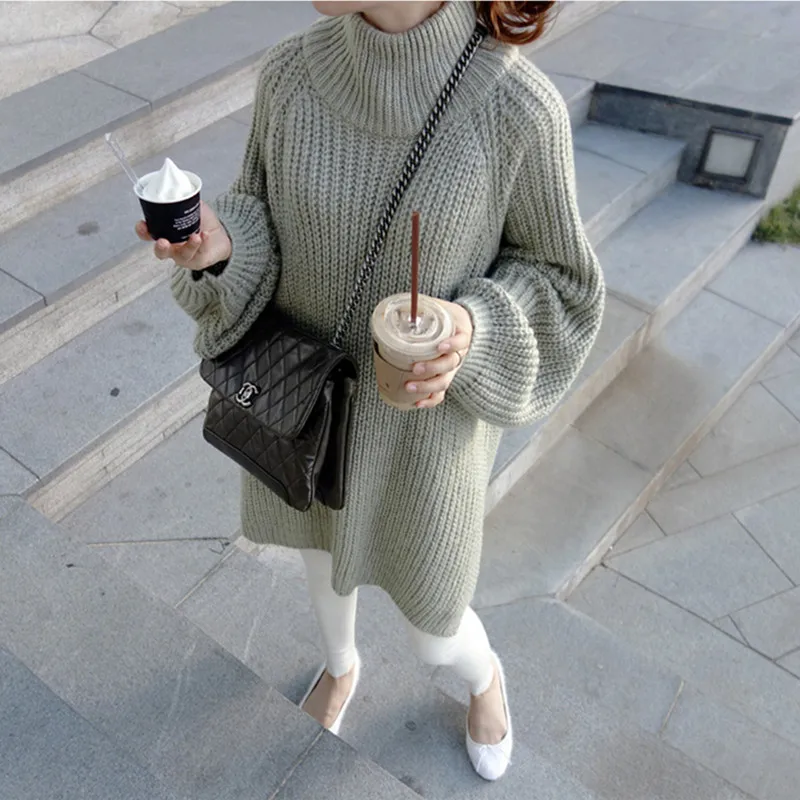
At home, go for oversized or chunky knits. These offer maximum coziness. Cable-knit designs add texture and visual interest. Pair them with leggings or sweatpants.
For outdoor adventures, choose technical wool blends. These resist wind and moisture better than cotton. Some include reinforced elbows for durability.
Turtlenecks provide extra neck coverage. They block cold drafts from entering your coat. This feature benefits cyclists and city commuters.
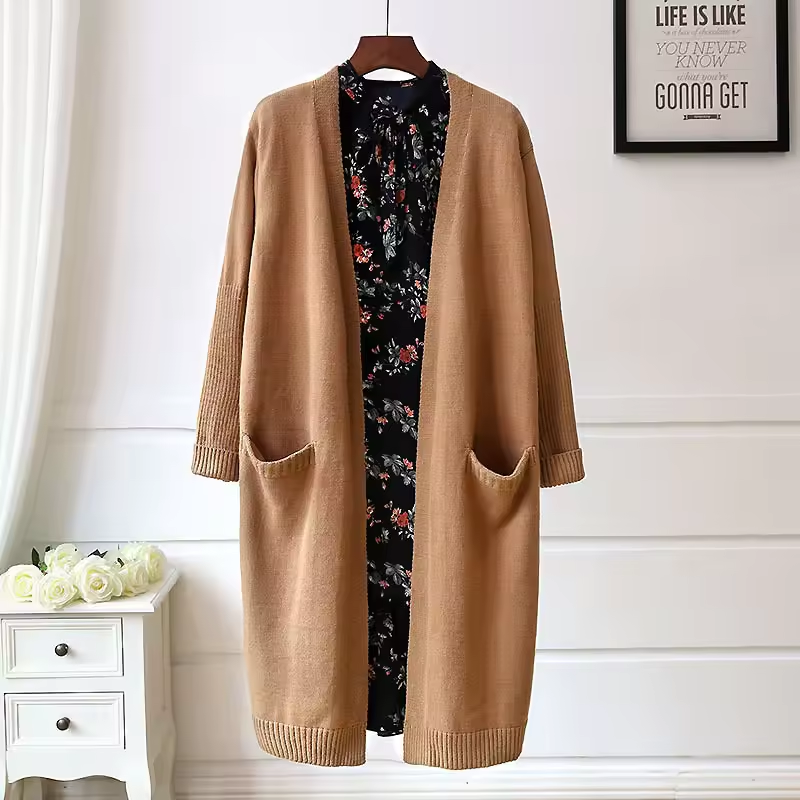
Cardigans allow easy temperature control. You can open or close them based on surroundings. Longline versions work well over dresses or skirts.
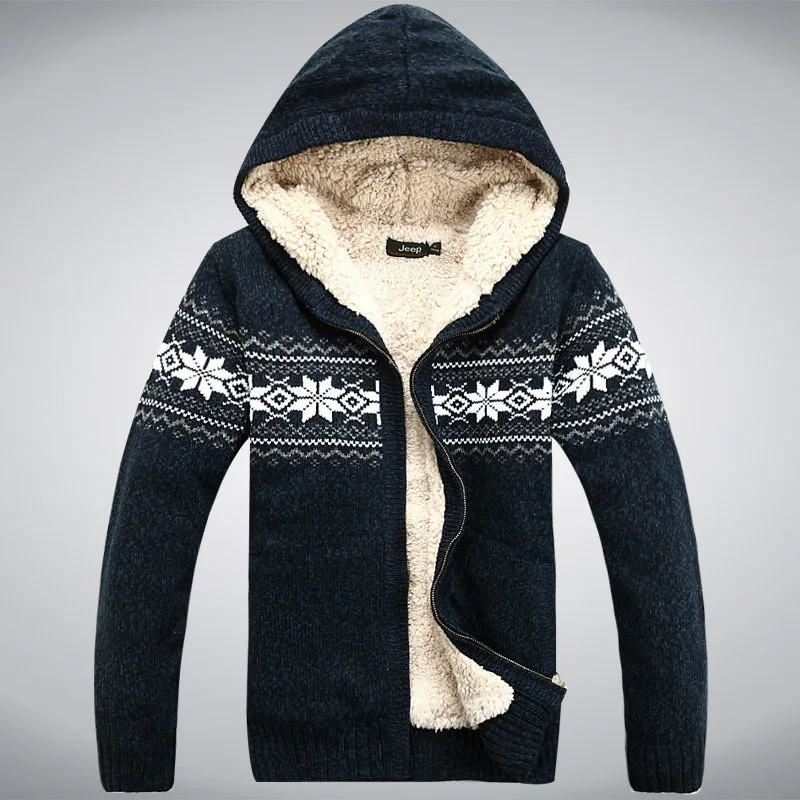
Pullover styles offer full coverage. They seal in heat without gaps. Hooded knit sweaters combine casual flair with added protection.
Each type supports a different aspect of life. Selecting the right winter sweater improves daily comfort.
 Materials That Define Warmth and Comfort
What Fabrics Make the Best Winter Sweaters
The material of a winter sweater determines its performance. Natural fibers like wool, alpaca, and cashmere lead in insulation. They trap air efficiently and retain heat even when damp.
Merino wool is especially popular. It feels soft against the skin and resists odor buildup. Unlike traditional wool, it rarely causes itching.
Alpaca fiber is warmer than sheep’s wool. It’s also hypoallergenic and lightweight. Many luxury winter sweaters use alpaca for premium comfort.
Cashmere offers unmatched softness. It comes from goat undercoat and has excellent thermal properties. However, it requires gentle care and dry cleaning.
Blends enhance durability. Wool-cotton mixes balance warmth and breathability. Wool-polyester combinations increase strength and reduce pilling.
Some modern sweaters use recycled materials. Recycled wool or plastic bottles turned into yarn support sustainability. Eco-conscious buyers favor these options.
Avoid 100% acrylic unless budget is tight. While affordable, it doesn’t breathe well and holds odors. Over time, it pills and loses shape.
Natural and semi-synthetic blends deliver the best results. They keep you warm without sacrificing comfort.
Styling Tips for a Polished Winter Look
How to Wear Your Winter Sweater with Confidence
Styling a winter sweater depends on occasion and personal taste. The key is balancing warmth with aesthetic appeal.
For casual days, pair a chunky sweater with dark jeans and boots. Add a scarf and beanie for extra layers. This outfit works for errands or coffee runs.
To dress it up, tuck a fitted turtleneck into a high-waisted skirt. Finish with knee-high boots and a coat. Instantly, you achieve a sophisticated look.
Layering boosts versatility. Wear a collared shirt underneath a V-neck sweater. This adds depth and structure to your appearance.
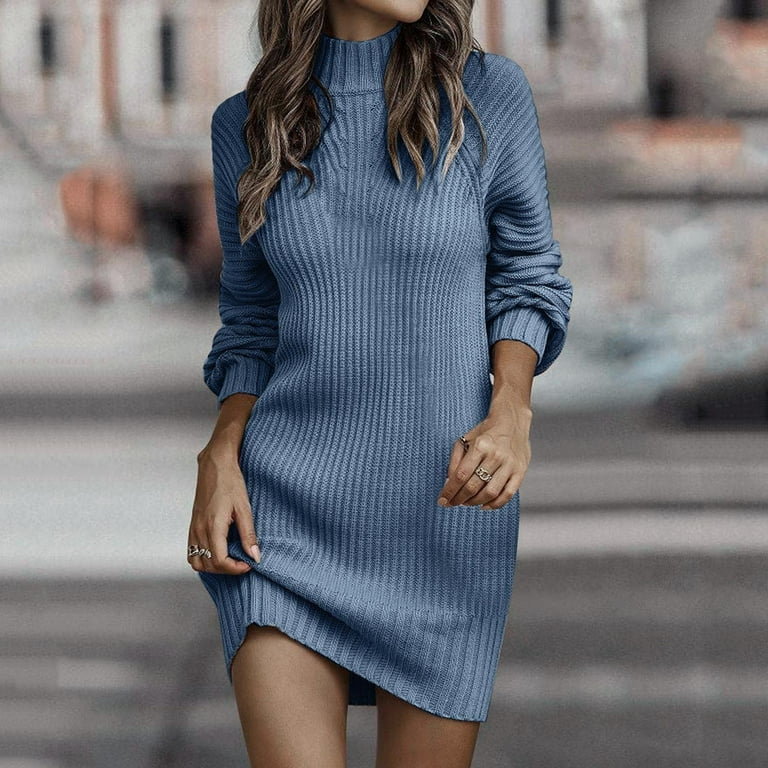
Oversized sweaters can be styled as mini-dresses. Add leggings and tall boots for full coverage. A belt at the waist defines your silhouette.
Monochrome outfits feel modern. Wear a gray sweater with matching pants and coat. This creates a clean, streamlined effect.
Mix textures for visual interest. Combine a cable-knit sweater with a leather skirt or corduroy pants. Contrast keeps the look dynamic.
Accessories complete the ensemble. Gloves, hats, and scarves should complement the sweater’s color. Coordination enhances overall polish.
 Caring for Your Sweater to Extend Its Life
Simple Habits for Long-Term Wear
Proper care keeps your winter sweater looking new for years. First, always check the label before washing. Many require hand washing or dry cleaning.
If machine washing is allowed, use a mesh laundry bag. Set the cycle to cold and delicate. Never wring or twist the fabric.
Always air dry flat. Hanging a wet sweater stretches the shoulders. This ruins the fit and shape permanently. Lay it on a clean towel instead.
Avoid direct sunlight or heaters. UV rays and heat cause fading and fiber breakdown. Dry in a cool, ventilated area.
Remove pilling gently. Use a fabric shaver or disposable razor. Do not pull loose threads by hand. This may create holes.
Store folded, not hung. Gravity pulls on heavy knits over time. Use drawer dividers or shelves for organization.
Refresh between washes. Spritz with vinegar-water mix to remove odors. Let it air out overnight. This reduces washing frequency.
With consistent habits, your winter sweater remains soft and functional. Good care pays off in longevity.
Seasonal Trends in Sweater Fashion
What’s Popular in Cold-Weather Knits Today
Fashion evolves every year, and winter sweaters reflect current tastes. In recent seasons, several trends have gained momentum.
Oversized silhouettes remain dominant. Loose, slouchy fits offer comfort and modern style. Designers pair them with tailored bottoms for balance.
Earth tones are trending. Colors like moss green, rust, oatmeal, and deep brown dominate. These shades connect to nature and suit multiple skin tones.
Neutral palettes make mixing easier. Beige, cream, and charcoal gray blend seamlessly. They form the base of capsule wardrobes.
Fair Isle and Nordic patterns appear during holidays. These colorful motifs bring festive cheer. Reindeer, snowflakes, and geometric shapes stand out.
Cropped sweaters gain popularity among younger wearers. They pair with high-waisted pants or skirts. This style highlights the waist.
Sustainable fashion influences design. Brands highlight organic fibers, ethical labor, and low-impact dyes. Consumers respond positively.
Vintage-inspired details return. Puff sleeves, ribbed hems, and patch pockets add charm. These nostalgic touches feel fresh again.
Each season brings new variations. Yet, classic elements endure—warmth, quality, and comfort.
 Frequently Asked Questions
Common Concerns About Winter Sweaters Answered
Do winter sweaters shrink? Yes, if washed incorrectly. Always follow care instructions. Hand wash or use cold, gentle cycles.
Can I wear one if I’m allergic to wool? Yes. Choose merino, alpaca, or cotton blends. These are less likely to irritate sensitive skin.
Are they suitable for layering? Absolutely. Most fit well under coats and jackets. Avoid overly bulky styles for this purpose.
How do I stop my sweater from pilling? Wash inside out and avoid friction. Store away from rough fabrics. Use a fabric shaver when needed.
Can men wear cropped sweaters? Yes, if styled properly. Pair with high-waisted trousers. Balance proportions carefully.
Should I size up for an oversized look? Only if the brand runs small. Check reviews first. Oversizing too much may look sloppy.
How many winter sweaters should I own? Three to five is ideal. Include a mix of weights, lengths, and colors. Rotate to extend lifespan.
These answers help shoppers make informed choices.
 Final Thoughts on Building a Functional Wardrobe
A winter sweater is more than just a seasonal item—it’s a long-term investment in comfort and style. It adapts to changing temperatures and social settings.
From morning routines to evening outings, it delivers reliable warmth. Its versatility makes it a core part of any cold-weather closet.
Whether you prefer classic neutrals or bold patterns, there’s a winter sweater for everyone. Quality matters most for lasting value.
Choose natural fibers, proper fit, and thoughtful design. Maintain it with care and attention.
Ultimately, the right winter sweater enhances your daily life. It keeps you cozy, confident, and prepared for whatever the season brings.